In the rapidly transforming landscape of outdoor architectural lighting, Solar Fence Cap Lights have transitioned from mere decorative accessories to critical components of green infrastructure and smart home ecosystems. As global energy costs rise and sustainability mandates become stricter, the demand for high-efficiency, durable, and aesthetically versatile solar solutions has surged. This white paper explores the critical success factors for B2B procurement, technological breakthroughs in PV (Photovoltaic) conversion, and the top-tier manufacturing landscape in Guangdong—the world's lighting capital.
Shift towards IoT-integrated solar caps with app control and adaptive dimming based on local weather data. Material science is moving towards UV-resistant polymers and aerospace-grade aluminum.
North American and European markets are prioritizing "Off-grid Resilience." Suppliers are now required to provide EPD (Environmental Product Declarations) and rigorous IP67 waterproofing certifications.
Transitioning from Polycrystalline to Monocrystalline N-type cells, achieving >23% efficiency. Integration of LiFePO4 batteries for longer lifecycles (>2000 cycles) even in extreme climates.
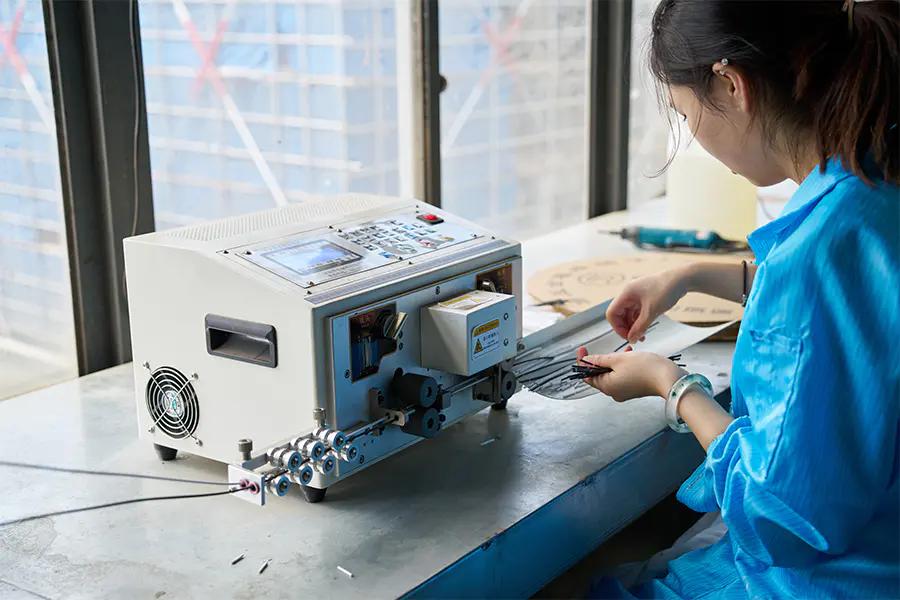
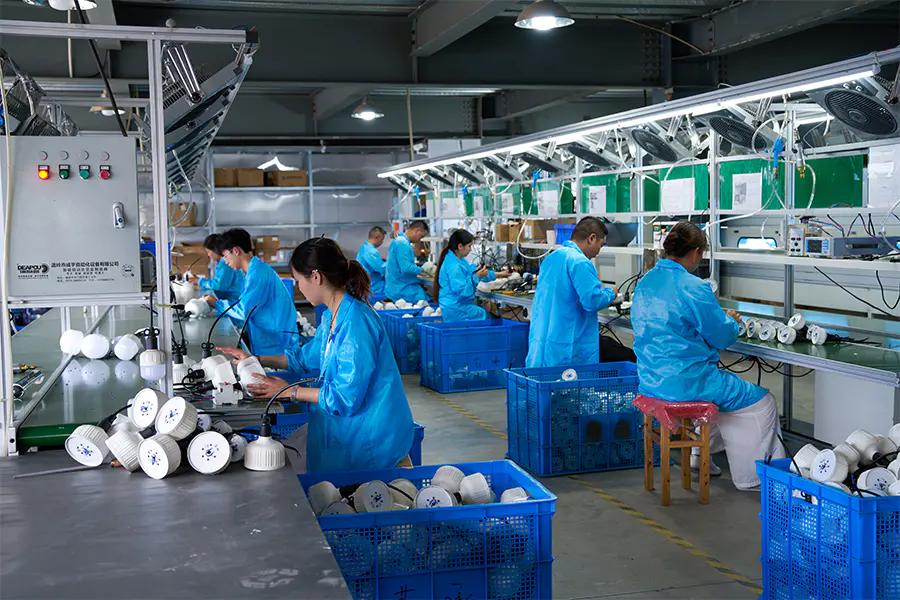
Guangdong Guangyao Lighting Co., Ltd., established in 2008, stands at the forefront of the LED revolution. Operating under the stringent ISO9001:2015 quality management system, the company has spent over 15 years perfecting the balance between lumen output and energy consumption.
With global certifications including CE, 3C, and SAA, Guangyao isn't just a factory; it's a strategic OEM/ODM partner for the world's leading lighting brands. Their commitment to a three-year warranty reflects a deep-seated confidence in their engineering prowess and component selection.
Top-tier solar fence cap lights now utilize High-Transmission Tempered Glass rather than standard PET laminates. This prevents "yellowing" and maintains solar conversion efficiency over a 10-year lifespan. For B2B buyers, evaluating the IK Impact Rating is crucial for projects in areas prone to hail or vandalism.
Modern units feature intelligent BMS to prevent overcharge/discharge, crucial for maintaining battery health in winter months where sunlight is limited.
Professional suppliers offer CCT switchable options (3000K/4000K/6000K) within a single unit to match diverse architectural requirements.
Ensuring compliance with local electrical codes (UL in US, UKCA in UK) is a non-negotiable for large-scale municipal or hospitality tenders.
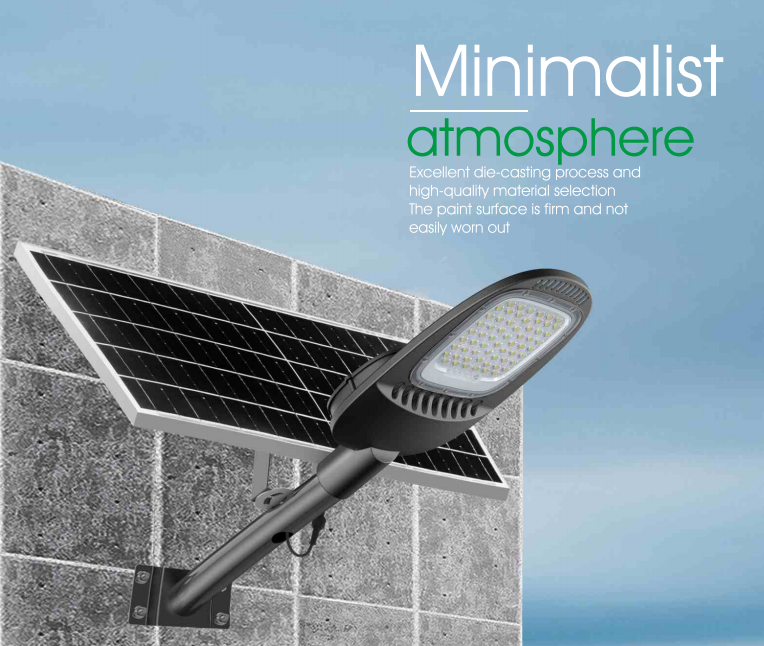
Monocrystalline panels offer higher efficiency (19-23%) in smaller footprints, which is essential for fence cap lights where surface area is limited. They also perform significantly better in low-light/cloudy conditions, ensuring consistent nighttime operation.
While IP65 protects against water jets, IP66 (offered by leading factories like Guangyao) provides protection against powerful water jets and heavy seas. For coastal projects or areas with tropical storms, IP66 is the professional standard to prevent internal circuitry corrosion.
B2B buyers should focus on Color Consistency (SDCM < 5), Lumen Maintenance (L70), and Logistical Compliance. Working with an ISO-certified factory ensures that the 1,000th unit is identical to the first unit in terms of color temperature and brightness.
The solar lighting industry is moving towards a "Total Integration" model. By 2026, we expect to see Solar Fence Cap Lights acting as mesh-network nodes, providing not just light, but security monitoring and environmental sensing capabilities. As factories like Guangyao Lighting continue to invest in R&D, the boundary between architectural design and sustainable technology will continue to blur, making renewable exterior lighting the default choice for global urban development.
 Guangyao Lighting