Explore high-efficiency photovoltaic luminaire systems manufactured for enterprise parking lots, commercial pathways, perimeter security, and municipal deployments.



An in-depth whitepaper analysis on operational cost reduction, decarbonization mandates, and energy resilience in outdoor infrastructure.
Commercial parking facilities, logistical hubs, retail centers, and industrial parks globally are undergoing a massive transition from traditional AC grid-tied high-pressure sodium (HPS) and metal halide fixtures toward intelligent solar LED lighting systems. Driven by aggressive corporate Net-Zero carbon targets, escalating electricity utility tariffs, and strict municipal ESG guidelines, solar parking lot lighting has evolved from an eco-friendly novelty into a business-critical infrastructure strategy.
By eliminating the requirement for underground trenching, electrical conduits, transformer installations, and site cabling, enterprise buyers cut civil works installation costs by up to 70%. Integrated solar parking lot luminaires provide total operational autonomy, maintaining zero utility bills and guaranteeing continuous security illumination even during municipal grid blackouts and extreme weather disruptions.
When assessing long-term Total Cost of Ownership (TCO) over a 10-year facility horizon, solar parking lot lights provide unmatched financial returns. While initial capital expenditure (CAPEX) for high-spec solar fixtures matches or slightly exceeds premium AC fixtures, the total elimination of civil engineering overhead yields immediate net-positive cash flow.
| Evaluation Parameter | Traditional AC Grid Parking Lot Lighting | High-Performance Solar Parking Lot Lighting (Guangyao) |
|---|---|---|
| Trenching & Cabling Expenses | High ($25,000 – $60,000+ per site) | $0 (Zero Civil Infrastructure Required) |
| Monthly Electricity Cost | Continuous Grid Expenditure ($0.16–$0.35/kWh) | $0 (100% Free Solar Harvesting) |
| Grid Blackout & Security Risk | High (Complete darkness during outages) | Zero Risk (Self-Sustaining Battery Autonomy) |
| Carbon Footprint Impact | High Indirect Scope 2 Emissions | Zero Carbon Footprint (Scope 2 Elimination) |
| Smart Dimming & Sensors | Complex external control wiring needed | Integrated MPPT + Radar Microwave Sensing |
| Estimated 10-Year TCO | Extremely High (Initial + Power + Repairs) | 60% to 75% Lower Total Lifetime Cost |
Deploying integrated solar-powered commercial parking luminaires removes grid dependency, eliminates copper theft liability, simplifies municipal permitting processes, and provides reliable illumination across vast logistics yards, industrial complexes, and public parking zones.
Exploring photovoltaic efficiency, energy storage chemistry, optical precision, and smart charge control algorithms.
Modern commercial solar lights rely on ultra-high efficiency Monocrystalline solar panels boasting energy conversion rates up to 23.5%. Advanced N-Type TOPCon and Bifacial glass-glass modules collect both direct solar irradiance and reflected albedo light from concrete parking surfaces.
Energy storage is the heart of off-grid solar reliability. Industrial solar parking lot lights utilize premium Grade-A LiFePO4 battery cells, replacing older Gel/Lead-Acid technologies to deliver superior performance.
Maximum Power Point Tracking (MPPT) algorithms track panel voltage in real time, converting over 98.5% of generated PV energy into stored chemical battery energy (compared to traditional PWM efficiency of ~70%).
Parking lot illumination requires specialized battenberg beam angles to ensure uniform light coverage without creating dark shadows or excessive light pollution (glare). Optical grade poly-carbonate lenses distribute light in IESNA Type III (rectangular roadway/lane pattern) and Type V (square broad area pattern).
By leveraging high-lumen LED chips (Lumileds, Cree, or Bridgelux achieving up to 210 lm/W), fixtures illuminate wide driving aisles and stall bays while maintaining low BUG (Backlight, Uplight, Glare) ratings to comply with Dark Sky regulations.
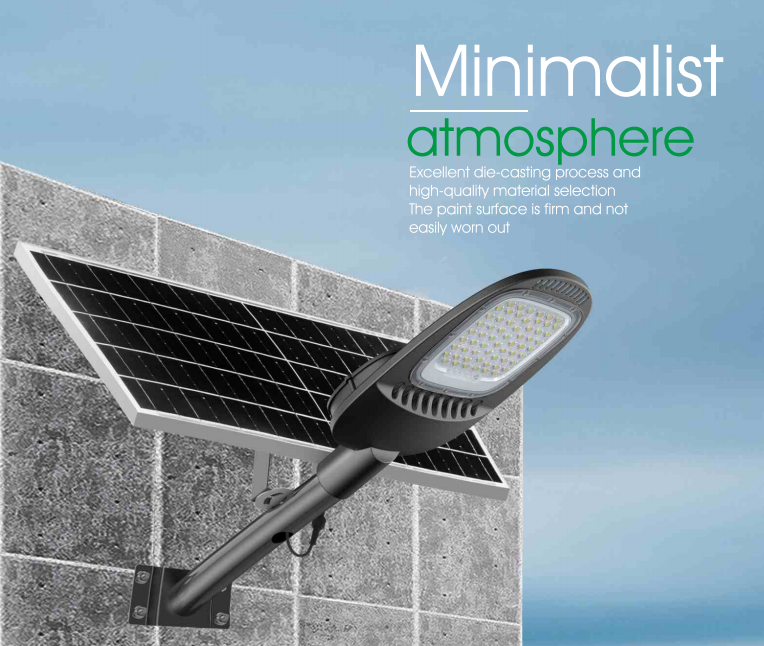
Industrial outdoor environments expose lighting fixtures to intense UV radiation, heavy rain, coastal salt fog, and freezing temperatures. Premium fixtures employ die-cast ADC12 aluminum alloy housing with architectural-grade powder coating.
Why Guangdong's lighting ecosystem provides global enterprises with superior manufacturing efficiency, component integration, and cost competitive advantages.
China's Guangdong province represents the epicenter of global LED and solar lighting manufacturing. Supply chain vertical integration brings together lithium cell producers, solar glass manufacturers, SMT circuit board assembly plants, die-casting foundries, and photometric testing laboratories within a single 50-kilometer radius.
This geographic concentration yields unparalleled advantages for international enterprise buyers, distributors, and EPC contractors:
Enterprise parking projects often demand tailored technical specs rather than standard off-the-shelf catalog products. OEM/ODM custom capabilities allow buyers to specify exact operational metrics:
World-class manufacturing infrastructure, ISO9001:2015 quality systems, and global product compliance.
Guangdong Guangyao Lighting Co., Ltd., founded in 2008, specializes in the R&D, production, and sales of high-performance LED and solar lighting solutions. Operating strictly under ISO9001:2015 quality management systems, our products hold international certifications including CE, 3C, SAA, RoHS, and are backed by a comprehensive three-year warranty.
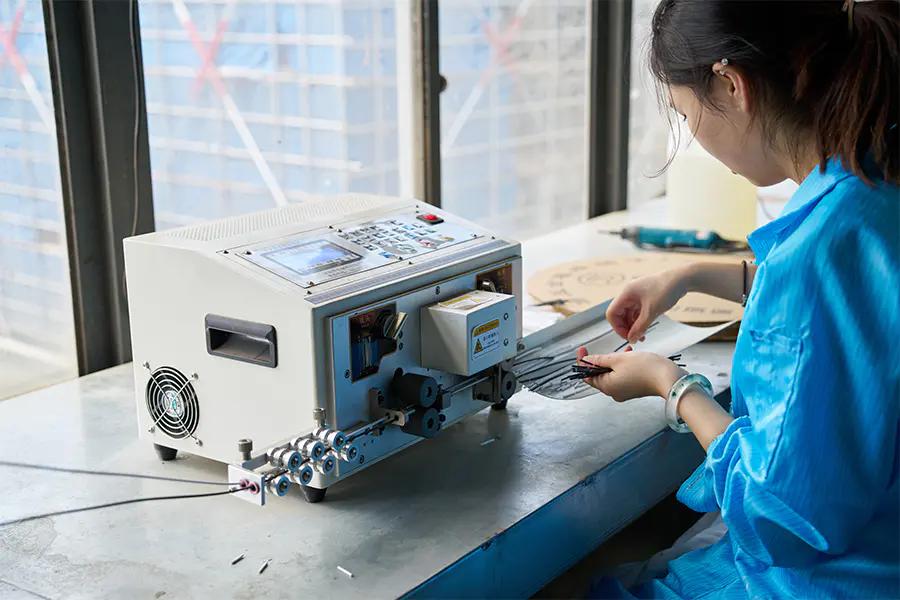
We provide professional commercial lighting solutions and serve as a trusted OEM/ODM partner for renowned brands, municipal contractors, and engineering distributors worldwide. Our state-of-the-art facility integrates automated assembly lines, precise optical testing gear, and rigorous environmental stress-testing systems to ensure zero-defect production.


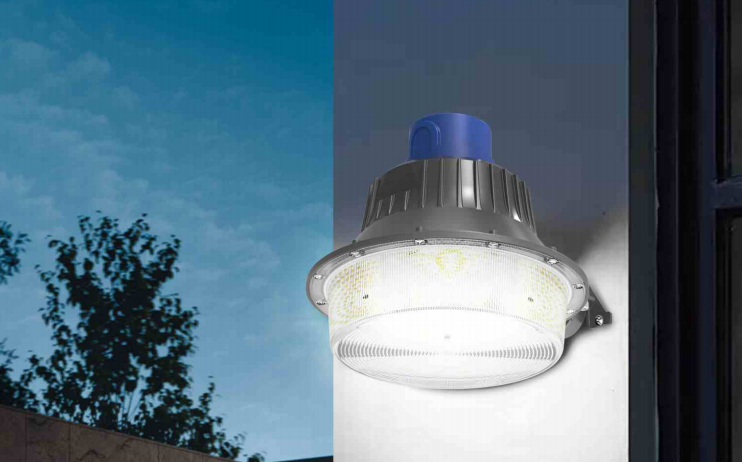
A structured step-by-step methodology for specifying solar parking lot fixtures for project tenders and architectural RFPs.
Review the geographical Peak Sun Hours (PSH) data for the installation site. Sites in Northern Europe or Northern US/Canada may experience 2.5–3.5 PSH in winter, requiring higher watt PV arrays and larger LiFePO4 capacities to ensure 3–5 days of continuous autonomy without grid backup.
Match target illumination standards (e.g., IESNA RP-20 for commercial parking lots requiring 10 to 30 lux average). Calculate pole height (6m to 10m standard) and spacing ratios (3 to 4 times mounting height) to optimize lumen package selection and optics (Type III vs Type V).
Ensure suppliers provide authentic ISO9001, CE, SAA, IP66, and IK10 test reports. Verify battery warranty terms (cycle lifetime vs calendar years) and confirm factory willingness to enter formal Quality Agreement SLA contracts.
Expert answers to critical technical, operational, and procurement queries regarding solar parking lot lighting systems.
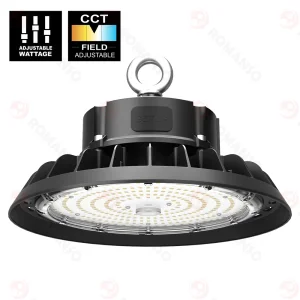
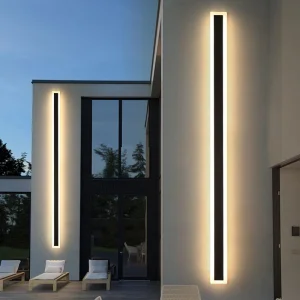
Discover our comprehensive product line ranging from high-wattage street fixtures to architectural landscape lights and decorative interior commercial solutions.
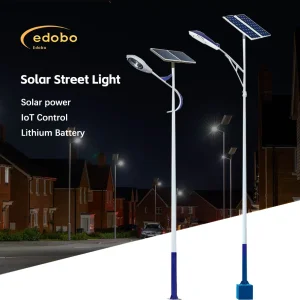



 Guangyao Lighting