2026 Top LED Lights Why Are Some More Expensive Than Others?

Time:2026-11-08 Author:Ethan
0%

Why are some LED lights more expensive than others? The price gap rarely comes from the LED chip alone. It often reflects the quality of the driver, heat sink, optics, materials, testing, and warranty. Look closely at a fixture’s aluminum body, for example: better heat control can help protect its light output over time.

The U.S. Department of Energy’s Energy Saver guidance says LEDs use up to 90% less energy than incandescent bulbs and can last up to 25 times longer. These figures describe broad comparisons, not a guarantee for every product. The DOE’s Solid-State Lighting program also evaluates performance across complete lighting systems, not just individual components. Former DOE lighting-program manager James Brodrick’s practical point is: “Judge the whole lighting system, not just the LED.” That is the useful lens for comparing products, though buyers should still check the product’s own specifications.

A higher price may buy stronger color consistency, lower glare, or a better-tested driver. It may also buy little more than a polished box. That part deserves scrutiny. Compare lumens, color rendering, dimmer compatibility, warranty terms, and published test data before deciding. A cheap bulb can be a sensible choice for a closet; a well-built fixture may matter more above a kitchen counter, where light runs for hours. The goal is not to choose the most expensive light. It is to understand what the extra cost actually buys.
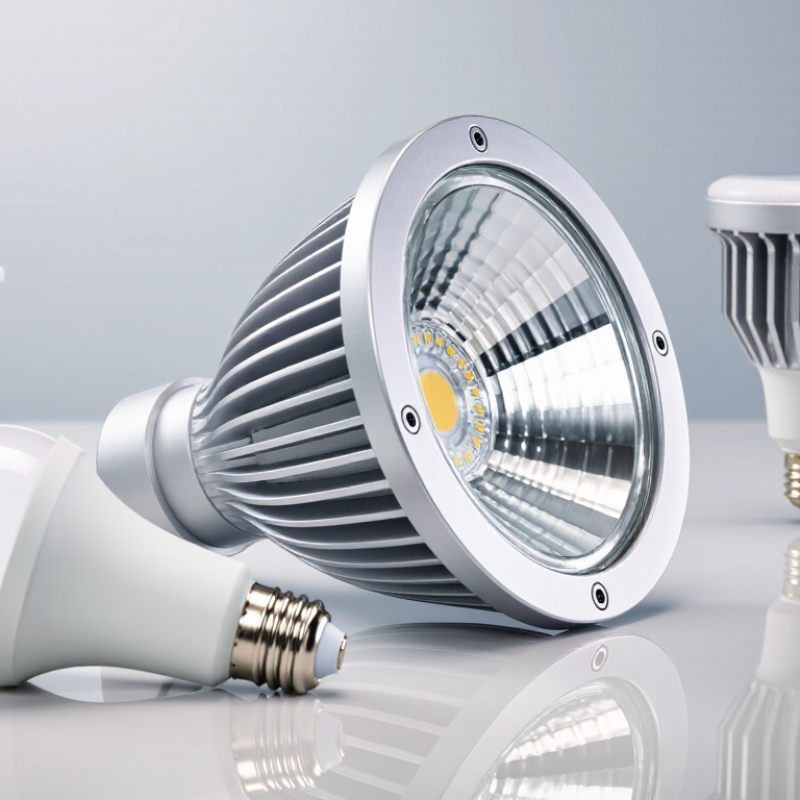
2026 Top LED Lights Why Are Some More Expensive Than Others?

How LED Lights Are Classified in the 2026 Market

In the 2026 market, LED lights are better classified by performance than by appearance. Buyers and professional specifiers commonly compare luminous efficacy, measured in lumens per watt, alongside color rendering, rated life, dimming behavior, and thermal management. A bright bulb is not automatically an efficient one. Check the label.

The International Energy Agency reported that LEDs reached about 50% of global lighting sales in 2022, up from roughly 5% in 2013. That shift makes simple “LED versus non-LED” comparisons less useful; products now vary widely in quality and application. The U.S. Department of Energy says LEDs use at least 75% less energy and can last up to 25 times longer than incandescent bulbs. These figures are broad comparisons, not a guarantee for every fixture or usage pattern. For example, a warm, high-color-rendering lamp may cost more than a basic utility light because its components and testing requirements differ. Look for clear efficacy and lifetime ratings, plus stated dimmer compatibility. One weakness remains: labels rarely show how a lamp performs after years of heat and frequent switching. I would not treat the lowest price as the lowest lifetime cost.

2026 LED Lighting: Why Are Some Lights More Expensive?

LED products are commonly classified by application and performance. This chart compares indicative luminous-efficacy ranges from product specifications; actual performance varies by model, optics, driver, and operating conditions.

How to read it: Higher efficacy means more light output per watt, but it does not by itself determine price. Higher costs can reflect better drivers, thermal management, optics, controls, longer warranties, and certifications. Compare the full specification and intended application, not efficacy alone.

Which Performance Specifications Affect LED Light Prices

LED light prices often rise with output, efficiency, and color quality. A 3,000-lumen fixture needs more LEDs and stronger heat control than a small reading lamp. Efficacy matters too: a 150-lumen-per-watt unit produces more light from each watt than a 100-lumen-per-watt model. The U.S. Department of Energy’s Energy Saver guidance says LEDs use at least 75% less energy and last up to 25 times longer than incandescent lighting. Those figures describe potential savings, not a guarantee for every product. Compare lumens and watts, rather than wattage alone.

Color specifications also affect cost. A high color-rendering index can reveal richer reds and wood tones, useful in kitchens or retail displays. Tight color consistency between fixtures may require stricter sorting during production. Dimming compatibility can add driver electronics, while outdoor fixtures may need sealed housings and better corrosion resistance. Heat management is easy to overlook. Yet a compact fixture with poor heat dissipation may lose output sooner. The DOE’s Solid-State Lighting research identifies efficacy, color quality, and lifetime as important performance measures. For longevity claims, IES LM-80 testing tracks LED-package lumen maintenance; TM-21 uses those results to project maintenance. Check the test conditions, since projections are not the same as years of real-world use.

2026 Top LED Lights: Why Are Some More Expensive Than Others? Which Performance Specifications Affect LED Light Prices?

Indicative U.S. retail price ranges per fixture or bulb, excluding installation and sales tax. Actual prices vary with seller, quantity, certifications, warranty, and product configuration.

LED Light Type Typical Power Typical Light Output Efficiency Color Quality Other Performance Features Indicative Price (USD) Common Price Drivers
Basic A19 household bulb 8–10 W 800–1,000 lm About 80–100 lm/W Typically CRI 80+ Fixed white color; standard dimming may not be included $1–$5 Basic driver and housing, limited controls, and high-volume production help keep the price low.
High-color-quality A19 bulb 8–11 W 800–1,100 lm About 80–110 lm/W Often CRI 90+; some models offer better color consistency May include reliable dimming and a longer warranty $4–$15 Higher-grade LEDs, improved color rendering, tighter color consistency, and better driver components can increase cost.
PAR38 outdoor or accent lamp 12–20 W 900–1,800 lm About 60–100 lm/W Typically CRI 80+; available in multiple beam angles Directional optics; some versions are rated for damp or wet locations $8–$30 Optical design, beam control, weather suitability, and compatibility with dimmers affect the price.
Commercial LED panel 30–50 W 3,000–6,000 lm About 90–130 lm/W Commonly CRI 80+; higher-CRI options cost more Uniform light distribution; selectable color temperature or dimming may be available $25–$120 Light-guide quality, driver performance, dimming features, construction, and safety certifications contribute to cost.
Industrial LED high-bay fixture 100–240 W 15,000–36,000 lm About 120–170 lm/W Typically CRI 70–90, depending on application May include impact-resistant construction, high-temperature ratings, sensors, or controls $70–$300 Higher output, heat management, rugged construction, surge protection, controls, and longer warranty coverage raise the price.
Connected tunable-white A19 bulb 8–12 W 800–1,100 lm About 70–100 lm/W Adjustable white color; CRI commonly 80+ Wireless control, scheduling, and dimming; features depend on the system used $8–$30 Wireless electronics, software support, tunable-white components, and ecosystem compatibility add cost.
Horticultural LED grow fixture 200–600 W Output is often specified as PPF, approximately 400–1,500 µmol/s Often about 2.0–3.0 µmol/J Designed around plant-use spectrum rather than a household CRI rating May offer dimming, spectrum control, passive cooling, or environmental protection $150–$900+ Photon efficacy, light distribution, spectrum, thermal design, control options, and fixture size are major cost factors.

How Components and Manufacturing Shape Product Costs

LED price differences often start inside the housing. The LED package, phosphor coating, driver, optics, and heat sink all affect cost. Better components can improve color consistency, dimming, and heat control. They also raise material and testing costs. The U.S. Department of Energy’s Lighting Market Characterization report estimated that LEDs made up about 47% of installed U.S. lighting in 2020. Adoption was broad, but product quality still varied. A low-cost lamp may use a simpler driver or thinner heat sink. You may not see that difference on the shelf.

Manufacturing matters, too. Precise assembly and optical alignment take time, while inspection and burn-in testing add labor. Poor production yields can raise the cost of each reliable unit. DOE’s 2019 Energy Savings Forecast projected 569 terawatt-hours of annual U.S. electricity savings in 2035 under widespread solid-state lighting adoption. That potential depends on efficient products performing well in real fixtures, not just on paper. Components matter. So does installation. Comparing prices alone is imperfect; a higher price does not guarantee longer service, and a lower one does not always mean poor quality. Still, driver design, thermal management, and test records offer useful clues. A warm metal heat sink after hours of use can reveal more than glossy packaging.

Why Applications and Certifications Change Price Levels

A low-bay warehouse fitting and a warm kitchen downlight may both be called LED lights, but they face different demands. A warehouse fixture must manage heat, glare, vibration, and long operating hours. A decorative downlight may prioritize color quality and dimming. Those differences affect optics, drivers, materials, and testing—and therefore price. The International Energy Agency estimates that lighting accounts for about 15% of global electricity use. Small efficiency gains matter at scale. Still, a high lumen-per-watt figure alone cannot tell buyers whether a fitting suits a particular space.

Certifications add another cost layer. Independent testing checks details such as electrical safety, light output, color consistency, and performance under specified conditions. U.S. Department of Energy guidance explains that LED lifetime claims rely on measures such as lumen maintenance, rather than simply waiting for every lamp to fail. Testing takes time. Better documentation also helps specifiers compare products on consistent terms. A listed fixture may cost more because it has undergone laboratory evaluation and quality checks, but the label is not a promise of perfect performance in every installation. Check the report scope, operating temperature, dimming compatibility, and warranty conditions. Sometimes, the expensive option is over-specified; sometimes, a cheaper one lacks the evidence a project needs. Industry data from the IEA and DOE help frame the decision, but site conditions still matter.

How to Compare LED Lights by Value and Intended Use

Price alone rarely predicts value. Compare useful lumens, watts, and rated life for the specific task. The U.S. Department of Energy’s Energy Saver guidance says LEDs use at least 75% less energy and last up to 25 times longer than incandescent bulbs. These figures are comparisons, not guarantees for every LED product. For a kitchen counter, prioritize bright, evenly spread light and good color rendering. In a hallway, a wide beam and reliable dimming may matter more than maximum output. Check the product’s lumen and watt ratings. Then divide lumens by watts to compare efficacy. A higher number can mean lower energy use, but it cannot show whether light reaches the right places.

For example, an 800-lumen lamp drawing 8 watts produces 100 lumens per watt. If used three hours daily, it consumes about 8.8 kilowatt-hours yearly. ENERGY STAR’s lighting specifications also assess factors such as efficacy, color quality, and product performance. Check those details alongside warranty terms and dimmer compatibility. I still find price comparisons imperfect: a long-rated life is less useful if the lamp flickers or feels harsh in your room. For outdoor or enclosed fixtures, verify that the product is rated for those conditions. A cheaper lamp may be the better buy for occasional use; a frequently used work light can justify a higher upfront cost.

FAQS

What affects the price of an LED light most?

Output, efficiency, color quality, and construction all influence cost. A 3,000-lumen fixture usually needs more LEDs and stronger heat control than a small reading lamp.

Should I compare wattage when choosing an LED?

Compare lumens and watts together. A higher lumen-per-watt rating means more light from each watt, but it does not prove a fixture suits your space.

Why can color quality raise the price?

A higher color-rendering index can show reds and wood tones more naturally. Consistent color across several fixtures may also require stricter production checks.

Do dimming and outdoor use affect cost?

Yes. Dimming may need extra driver electronics. Outdoor fixtures may require sealed housings and better corrosion resistance.

Why do heat sinks matter?

Heat management helps protect light output over time. A compact fixture with a thin heat sink may look fine on the shelf, but performance can decline sooner.

Do lifetime claims guarantee how long a light will last?

No. Package testing can track lumen maintenance, and projections estimate future performance. Real-world results depend on conditions like operating temperature and installation.

What parts inside a fixture affect its price?

The LED package, driver, phosphor coating, optics, and heat sink all contribute. Better components may improve dimming or color consistency, but cost more.

Why might two LED fixtures with similar output have different prices?

They may serve different spaces. A warehouse fitting needs to handle heat, glare, vibration, and long operating hours; a kitchen downlight may prioritize warm color and dimming.

Do certifications mean a fixture will perform perfectly?

No. Independent testing and documentation can help compare products, but results apply under specified conditions. Check the report scope and warranty details.

Is the most expensive option always the best choice?

Not always. It may be over-specified for your room, while a cheaper option may lack useful test records. Price alone is a rough guide.

Conclusion

This article explores how LED lights are classified in the 2026 market and why products with a similar appearance can have very different prices. Why are some LED lights more expensive than others? The answer often lies in performance specifications such as brightness, energy efficiency, color quality, lifespan, and heat management. Higher-grade components and more carefully controlled manufacturing can also increase production costs while improving reliability and consistency.

Price differences may also reflect the intended application, required certifications, and the testing or protection features needed for a particular environment. Rather than choosing solely by the lowest price or the highest specifications, buyers can compare efficiency, expected operating life, light quality, construction, and suitability for their needs. Understanding these factors makes it easier to judge overall value and select an LED light that balances performance, durability, and cost.

Ethan

Ethan

Ethan is a seasoned marketing professional with a deep expertise in our company's innovative product line. With a passion for sharing knowledge and insights, he takes the lead in regularly updating our corporate blog, where he explores industry trends, product features, and effective marketing......