Choosing the right lighting for outdoor spaces is crucial. It enhances safety, security, and aesthetics. When considering "how to select LED lights for outdoor use," several factors come into play. The vast market offers numerous options, but not all are suitable for every environment.
Understanding the specific needs of your outdoor space is essential. Will the lights be for pathways, gardens, or security? Assessing the brightness and color temperature is vital. Brightness affects visibility, while color influences the atmosphere. Additionally, look for fixtures that are durable and designed to withstand weather elements.
Installation matters too. Poorly installed lights may lead to safety hazards. Be aware that energy efficiency varies among products. Some may promise low energy use but fail in practice. Reflecting on your choices and researching before purchasing can save headaches later. In the end, the goal is to create a well-lit space that meets your needs, enhances beauty, and ensures safety.
Understanding the Different Types of Outdoor LED Lights Available
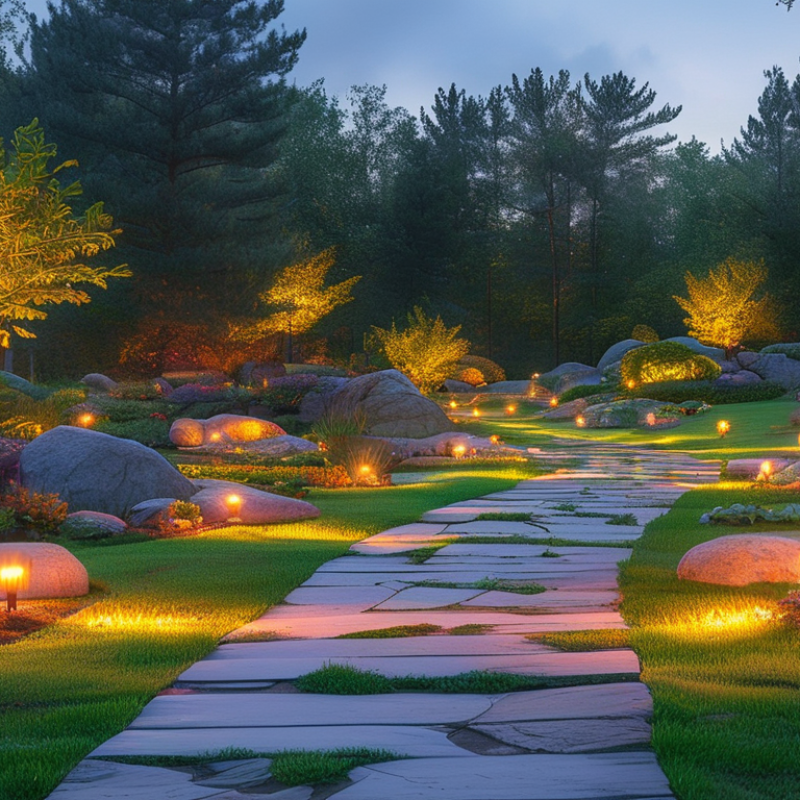
Choosing the right outdoor LED lights requires understanding the various types available. There are flood lights, garden lights, and pathway lights, each serving a unique purpose. Flood lights are ideal for illuminating large areas, while garden lights add subtle charm to landscaping. Pathway lights ensure safety by lighting walking paths and driveways.
Consider brightness, measured in lumens. Higher lumens mean brighter light, which can enhance security. However, excessive brightness can create harsh glare. It’s essential to strike a balance between visibility and comfort. Another factor to ponder is color temperature. Warmer hues create a welcoming atmosphere. Cooler tones can feel stark and clinical.
Finally, pay attention to the materials and weather resistance. Outdoor lights should withstand rain, snow, and harsh UV rays. Many fixtures incorporate durable materials like aluminum or polycarbonate. While energy efficiency is a key advantage of LED lights, think about placement and design. Achieving the right ambiance can make a significant difference. It's about blending functionality with aesthetics. This balance isn’t always easy, but reflection on your specific needs will guide you.
Evaluating Brightness and Lumens for Efficient Lighting
When selecting LED lights for outdoor use, understanding brightness and lumens is crucial. Lumens measure the total light output from a bulb, determining how bright the light will be. Higher lumens often indicate a brighter light, essential for outdoor settings like patios or gardens. A good rule of thumb is to aim for at least 800 lumens for general lighting in outdoor areas.
Selecting the right brightness involves considering the space. For larger areas, you might need multiple light sources to achieve effective illumination. Pay attention to the color temperature as well. Warmer lights can create a cozy atmosphere, while cooler lights offer a modern vibe. Some may find their outdoor space too dim or overly bright. Reflecting on your preferences and needs can guide your choices.
Ensure you evaluate how the light interacts with your landscape. Sometimes, placing lights strategically can enhance their effectiveness. While it’s easy to go for high lumens, this isn’t always the best option. Overly bright lights can be harsh and uninviting. Enjoying the balance between brightness and comfort requires some trial and error. Finding the right fit might take time, but it’s worth exploring to achieve a perfect outdoor ambiance.
Choosing the Right Color Temperature for Outdoor Ambiance
Choosing the right color temperature is crucial for creating an inviting outdoor ambiance. Color temperature is measured in Kelvins (K). For outdoor spaces, a range of 2700K to 4000K is often recommended. Warmer tones around 2700K provide a cozy, relaxed feel, ideal for patios and gardens. A study by the Lighting Research Center suggests that warmer lights help reduce stress and create a calming atmosphere.
Highlights in outdoor environments can be enhanced using cooler tones. Color temperatures of 4000K to 5000K can mimic daylight, making them suitable for areas that require visibility and alertness. However, too much blue light can disrupt natural circadian rhythms. Research from the International Dark-Sky Association points out that excessive blue light exposure may contribute to sleep disturbances. Therefore, balancing between warmth and brightness should be a primary consideration.
Moreover, understanding the context of lighting is essential. Pathways and security lighting may benefit from brighter, cooler hues, while dining or leisure areas might thrive under warm light. Homeowners often overlook how lighting choices impact the functionality and aesthetic of their spaces. Seeking the right color temperature can transform an outdoor experience, promoting both comfort and safety.
Considering Weather Resistance and Durability Features
When selecting LED lights for outdoor use, weather resistance and durability are crucial factors to consider. Outdoor environments can be harsh, with exposure to moisture, extreme temperatures, and UV rays. Choosing lights with high IP ratings can ensure that they withstand various weather conditions. Look for IP65 or higher, as these provide robust protection against dust and water.
LED lights made from durable materials are essential. Look for options that use polycarbonate or heavy-duty metal housings. These materials resist rust and corrosion, making them suitable for long-term outdoor use. The quality of the light's seals also matters. Poor sealing can lead to moisture ingress and decreased performance. Regularly check the lights to ensure they are well-maintained and functioning correctly.
Consider the warranty period offered by the manufacturer. A longer warranty often indicates confidence in the product’s durability. Many reliable products come with warranties of five years or more. This can give you peace of mind when making your selection. Always prioritize options that showcase great reliability under different weather conditions. Consistent performance, even in adversity, is a hallmark of quality outdoor LED lights.
Assessing Energy Efficiency and Lifespan of LED Lights
When selecting LED lights for outdoor use, energy efficiency and lifespan are crucial factors. The U.S. Department of Energy states that LED lights use at least 75% less energy than incandescent bulbs. This significant reduction in energy consumption not only cuts down on electricity bills but also minimizes environmental impact. By transitioning to LEDs, property owners can help reduce greenhouse gas emissions while enjoying optimal outdoor lighting.
Lifespan is another key consideration. Most LED lights last up to 25,000 hours or more, compared to only 1,000 hours for incandescent bulbs. This longevity reduces the frequency of replacements, leading to lower maintenance costs. However, it's essential to recognize that not all LED products are created equal. Some lower-quality options may have shorter lifespans. Research indicates that budget models might fail prematurely, leading to frustration and additional costs. Ensuring that you choose high-quality products from reputable manufacturers is vital for lasting performance.
In outdoor settings, temperature fluctuations can also affect LED efficiency. Extreme cold or heat can impact light output. Testing a few options in varying conditions may reveal surprising results. Understanding these factors can empower you to make better choices while illuminating outdoor spaces effectively.
FAQS
: Lumens measure the total light output. Higher lumens mean brighter lights, essential for areas like patios.
Aim for at least 800 lumens for general outdoor lighting. Larger areas may need more sources.
Color temperature is measured in Kelvins. Warmer tones create cozy atmospheres; cooler tones provide a modern vibe.
A range of 2700K to 4000K is recommended. Warmer lights are good for relaxation; cooler lights enhance visibility.
Yes, excessive blue light can disrupt sleep. Balance warmer and cooler tones for the best outdoor experience.
Evaluate how lights interact with your landscape. Strategic placement can enhance effectiveness and ambiance.
LEDs use at least 75% less energy. This reduces electricity costs and helps the environment.
Most LED lights last over 25,000 hours. This reduces replacement frequency and maintenance costs.
No, lower-quality LEDs may fail sooner. It's essential to choose high-quality products for durability.
Extreme temperatures can impact LED output. Testing in different conditions helps identify the best options.
Conclusion
When considering how to select LED lights for outdoor use, it's essential to understand the various types available on the market. Different outdoor LED lights serve distinct purposes, from landscape illumination to security lighting. Evaluating brightness and lumens is crucial for achieving the desired lighting efficiency, as it helps ensure that the space is adequately lit without being overpowering. Additionally, the right color temperature can significantly enhance the outdoor ambiance, creating either a warm, inviting environment or a cooler, more modern feel.
Another important factor is weather resistance and durability, ensuring that the lights can withstand outdoor conditions such as rain, snow, and extreme temperatures. Finally, assessing energy efficiency and lifespan is vital to make a sustainable choice that not only lowers energy costs but also reduces the frequency of replacements. By keeping these points in mind, you can effectively select the best LED lights for your outdoor needs, ensuring both functionality and aesthetic appeal.

 Guangyao Lighting