In today's world, finding ways to reduce power consumption of LED lighting solutions has become essential. LED technology is renowned for its energy efficiency, yet there are still opportunities to optimize its use. This article explores the top 10 methods that can enhance energy savings while maintaining excellent lighting quality.
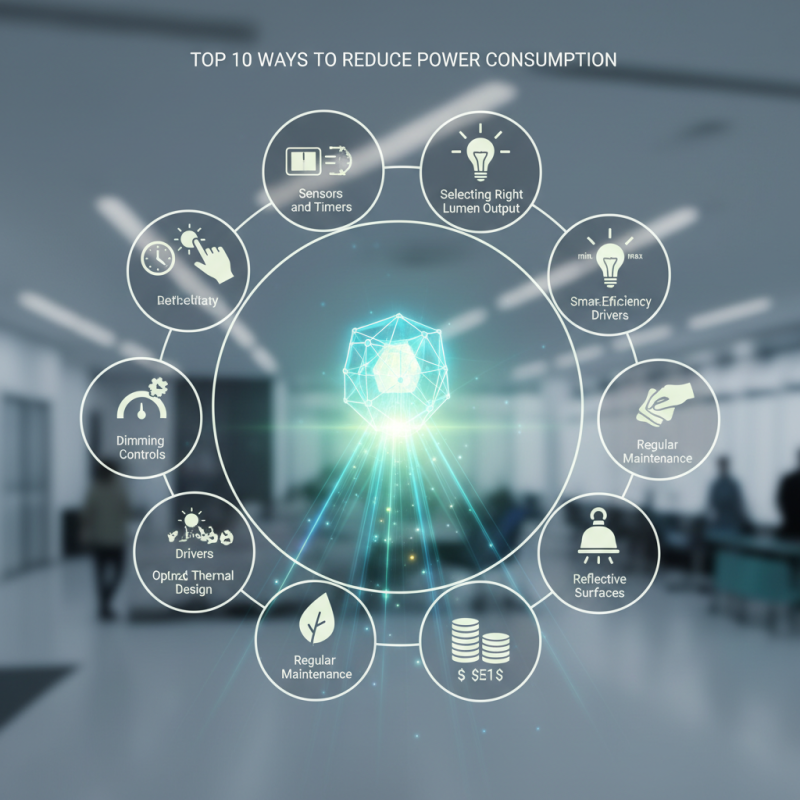
Implementing simple changes in lighting design can significantly impact energy usage. For example, using sensors and timers can prevent lights from staying on when not needed. Additionally, carefully selecting the right lumen output for each space can minimize excessive energy consumption. Small adjustments can lead to considerable savings over time.
Moreover, regular maintenance of LED fixtures is crucial. Dust and dirt can reduce efficiency. It is vital to clean lights regularly. Despite these measures, many still overlook the potential for even greater savings. Reflecting on current practices can provide valuable insights into further optimizing LED usage in various environments. Reducing power consumption of LED lighting solutions is an ongoing journey, one that benefits both the environment and energy costs.
LED lighting has rapidly become a preferred choice in energy efficiency. Research indicates that switching from traditional lighting to LED can reduce energy consumption by up to 75%. This significant decrease not only lowers utility bills but also minimizes the carbon footprint of buildings. According to a 2020 report by the U.S. Department of Energy, widespread adoption of LED lighting could save over 348 terawatt-hours of electricity, which is equivalent to eliminating the output of 44 large power plants.
The benefits of LED systems extend beyond mere energy savings. LEDs have a longer lifespan, lasting up to 25,000 hours compared to only 1,000 hours for incandescent bulbs. This longevity translates to less frequent replacements, which results in reduced waste and lower disposal costs. Additionally, they generate less heat, providing a cooler environment and less reliance on air conditioning. However, some consumers still hesitate to make the switch due to perceived high upfront costs. This is a concern worth reflecting on, as the long-term savings often outweigh initial investments.
Investing in LED lighting can also boost productivity. Studies show that better lighting conditions enhance mood and performance. This has pushed many organizations to reconsider their lighting strategies. The potential drawbacks include the initial cost and compatibility with existing fixtures. Addressing these challenges is crucial for widespread adoption of LED technology. The data underscores a clear opportunity for businesses and homeowners to embrace energy-efficient lighting solutions.
: Smart sensors adjust lighting based on occupancy and ambient light. They can cut energy use by up to 30%.
Automatic dimming reduces light when a room is empty. This can save an additional 20% in energy consumption.
Yes, many properties may need retrofitting. User acceptance is also a concern, as some find automatic adjustments disruptive.
Timers control when lights are on or off. They align lighting with occupancy, reducing unnecessary energy use.
Regular maintenance, like dusting fixtures, enhances lifespan. Dust can reduce light output and efficiency significantly.
Check connections, replace damaged parts, and clean lenses. This ensures optimal performance and prevents overheating issues.
Adjusting brightness and using timers can help optimize energy use. Not all areas need the same light intensity.
Over-reliance on automation may lead to complacency. Regular checks are necessary to ensure systems still function effectively.
Schedules may need adjustments over time, especially if daily routines change. Regular recalibration is essential for effectiveness.
Monitoring reveals necessary adjustments for efficiency. It helps identify how to optimize settings based on actual usage.
Reducing power consumption of LED lighting solutions is crucial for enhancing energy efficiency and sustainability. By leveraging the numerous benefits of LED technology, such as lower energy usage and longer lifespans, users can significantly cut down on energy costs. Optimizing LED driver performance plays a vital role in achieving this, as a well-designed driver ensures that the LEDs operate at their most efficient levels.
Additionally, incorporating smart sensors that allow for automatic dimming can lead to substantial energy savings by adjusting lighting based on occupancy and ambient light levels. Implementing timers and schedules further aids in energy management, ensuring that lights are only active when needed. Regular maintenance practices also contribute to increased efficiency and longevity of the lighting system, ultimately leading to reduced power consumption. Overall, these techniques offer a comprehensive approach to enhancing LED lighting solutions while minimizing their environmental impact.

 Guangyao Lighting