The transition to LED lights has sparked great interest. Many people wonder, "Why are LED lights more energy efficient?" This question is vital as energy consumption impacts our environment and our bills.
LED technology utilizes semiconductors to produce light, unlike traditional bulbs that generate heat. This fundamental difference means that LEDs convert a higher percentage of energy into visible light. Traditional incandescent bulbs waste much energy in the form of heat, which is less efficient.
Moreover, LED lights have a longer lifespan, lasting up to 25,000 hours. This durability reduces waste and the need for frequent replacements. Adopting LED technology is not just a trend; it signifies a crucial step toward sustainability. It invites us to reconsider our choices and understand their effects on our planet. Investing in LED lighting can lead to significant savings and a lower carbon footprint. However, some may still cling to traditional bulbs, perhaps due to familiarity or initial costs. This reflects a broader challenge in adopting efficient technologies. Understanding why LED lights outshine traditional options is essential for making informed decisions.
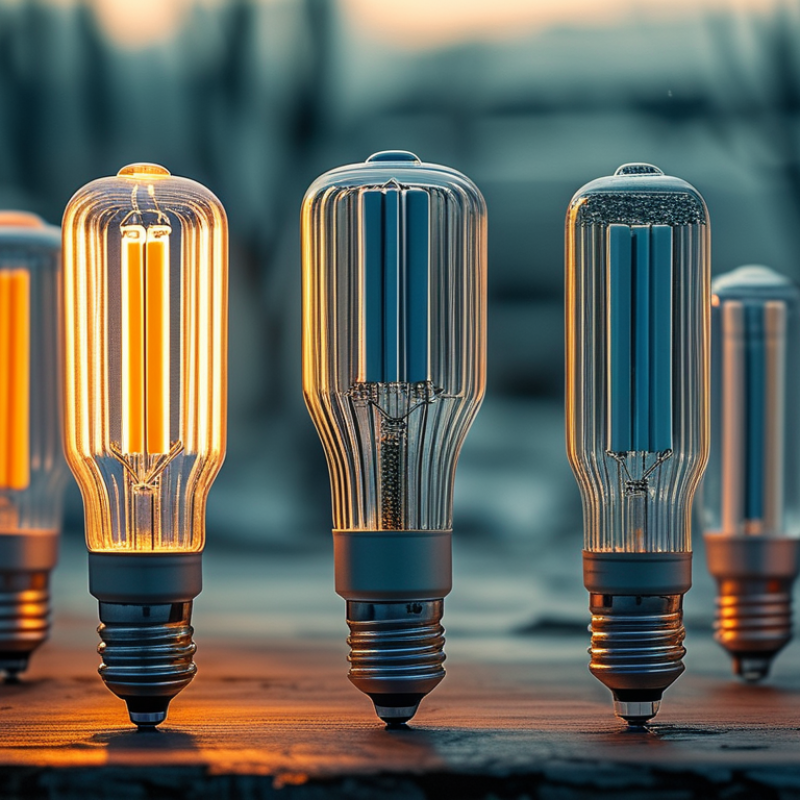
Understanding the Basics of LED Technology and Its Components
LED technology is innovative and complex. At its core, LEDs, or Light Emitting Diodes, are semiconductor devices that emit light when an electric current passes through them. The key components include a diode chip, which produces light, and a heat sink, which dissipates heat effectively. This combination helps in minimizing energy wastage. When compared to traditional bulbs, LEDs convert a higher percentage of electricity into light rather than heat.
The benefits of LED lights extend beyond their construction. They have a much longer lifespan than traditional bulbs. This means less frequent replacements, contributing to less waste over time. However, the initial cost of LEDs can be a barrier. Some people feel hesitant to invest upfront, even with potential savings on energy bills later. The learning curve surrounding LED technology can also lead to confusion, especially regarding compatibility with existing fixtures.
Understanding LED technology requires ongoing education. It’s essential to consider factors like brightness and color temperature when selecting LEDs. The landscape of lighting is changing. People are becoming increasingly aware of energy efficiency, yet many still overlook the advantages of making the switch. More dialogue is needed to clarify misconceptions and promote informed decisions. The journey toward embracing energy-efficient lighting should continue evolving.
Comparative Energy Consumption: LED Lights vs. Traditional Bulbs
Comparing energy consumption between LED lights and traditional bulbs reveals significant differences. According to the U.S. Department of Energy, LED lights consume up to 75% less energy than incandescent bulbs. This drastic reduction not only lowers electricity bills but also reduces the strain on power grids.
LEDs have a much longer lifespan, lasting approximately 25,000 hours, compared to only 1,200 hours for traditional incandescent bulbs. This means that while the initial cost of LEDs may be higher, their longevity and efficiency lead to cost savings over time. Many households overlook this aspect when budgeting for lighting.
Tips: When replacing light bulbs, consider switching entirely to LEDs to maximize energy savings. Track energy consumption regularly to witness the benefits firsthand. Additionally, using LED lights in high-traffic areas can enhance visibility while lowering overall energy costs.
Lifespan and Durability: Analyzing the Longevity of LED Lights
LED lights are known for their remarkable longevity compared to traditional incandescent bulbs. On average, LED lights last about 25,000 to 50,000 hours. In contrast, an incandescent bulb typically lasts only 1,000 hours. This extension in lifespan means that LED lights require less frequent replacements, resulting in less waste over time. According to industry reports, this durability translates into significant savings in both material and labor costs for businesses.
Moreover, the durability of LED lights contributes to increased reliability. They are less prone to breakage due to their solid-state construction. This feature is crucial in environments like industrial settings and public spaces where safety is paramount. However, not all LED lights perform equally. Some may still experience issues related to heat management and driver failures. Proper selection and installation are essential to fully realize their lifespan benefits.
While the long-lasting nature of LEDs promises sustainability, it also raises questions about the disposal of these lights. Unlike traditional bulbs, which can be easily discarded, LEDs contain electronic components that require careful handling. As more consumers turn to LEDs, understanding recycling options becomes crucial. Evaluating the environmental impact of LED disposal can help address these complexities while promoting responsible lighting solutions.
Comparing Lifespan of LED Lights and Traditional Bulbs
Environmental Impact: Reducing Carbon Footprint with LED Lighting
LED lighting has emerged as a champion for environmental sustainability. Traditional incandescent bulbs convert only about 10% of energy into light. The rest is lost as heat. In contrast, LED bulbs utilize nearly 90% of their energy to produce light, significantly reducing energy consumption. According to the U.S. Department of Energy, if every household replaced one incandescent bulb with an LED, the reduction in carbon dioxide emissions would equal taking one million cars off the road for a year.
The impact on the carbon footprint is profound. LEDs require less electricity, which often comes from fossil fuels. As electricity demand decreases, so does the production of harmful emissions. A study by the Lighting Research Center found that widespread adoption of LEDs could lead to a reduction of 245 million metric tons of CO2 by 2030. This statistic highlights the potential of LEDs as a sustainable lighting solution.
Tips:
- Consider replacing bulbs gradually. Start with the most frequently used fixtures.
- Monitor your energy bills; small changes can lead to significant savings over time.
- Look for ENERGY STAR® certified products for guaranteed efficiency.
- Reflect on the choices you make. Every bulb counts in this global effort.
Cost Analysis: Long-Term Savings from Using LED Over Conventional Bulbs
LED lights have gained popularity due to their energy efficiency. When comparing costs, LEDs outperform traditional bulbs significantly. A standard LED bulb uses about 75% less energy than an incandescent bulb. This energy saving translates directly to your electricity bill, leading to long-term savings.
Over time, the cost benefits become more apparent. For instance, replacing ten traditional bulbs with LEDs can save you up to $300 over their lifespan. This savings arises not only from lower energy use but also from the longer lifespan of LEDs. They can last up to 25,000 hours, compared to 1,000 hours for incandescents.
However, initial costs for LEDs can be higher. Some may hesitate to invest upfront. Yet, considering the long-term savings, the initial expense often balances out within a few months. The advantages of using LEDs contribute to smarter environmental practices, aligning with sustainable living goals. Reflecting on these aspects can make the transition easier for homeowners.
FAQS
: LED lights consume up to 75% less energy than traditional incandescent bulbs.
LED lights last about 25,000 hours, much longer than the 1,200 hours of traditional bulbs.
Switching to LEDs can lower your electricity bills and reduce strain on power grids.
Over time, using LEDs can save you up to $300 by lowering energy use and lasting longer.
Yes, LEDs can have higher initial costs, which may deter some people.
Savings often balance out within a few months as energy bills decrease.
Use LEDs in high-traffic areas for better visibility and lower energy costs.
Many overlook the long lifespan of LEDs, which leads to cost savings over time.
Yes, using LEDs supports sustainable living practices and reduces overall energy consumption.
Regularly tracking energy use can help you appreciate the benefits and savings of LED lights.
Conclusion
LED lights are quickly becoming the preferred choice for consumers and businesses alike, primarily due to their energy-efficient design. Understanding the basics of LED technology reveals that these lights utilize semiconductors to produce light, which consumes significantly less power compared to traditional incandescent bulbs. In a comparative energy consumption analysis, it becomes clear that LED lights can use up to 80% less energy, making them an environmentally-friendly option that helps reduce overall carbon footprints.
Moreover, the longevity and durability of LED lights contribute to their cost-effectiveness. With a lifespan that can last up to 25,000 hours, LEDs outlast traditional bulbs, offering substantial savings in replacement costs and maintenance. The long-term financial benefits, combined with their reduced environmental impact, answer the question, "Why are LED lights more energy efficient?" They not only cut down on energy use but also provide a sustainable alternative that promotes a greener future.

 Guangyao Lighting