Heat dissipation is crucial in the design of lighting products. Effective heat management directly impacts performance and longevity. As lighting technology evolves, understanding how to improve heat dissipation performance of lighting products becomes essential.
Effective heat dissipation prevents overheating. Overheating can lead to failures in LED lights and other fixtures. Manufacturers must consider materials and designs that enhance heat transfer. Various designs, such as heatsinks and venting, can aid in this process. Utilizing materials with high thermal conductivity is vital.
While advancements are notable, challenges remain. Many products still struggle with excessive heat. Continuous evaluation and innovation are necessary. This exploration aims to highlight strategies for improvement. Enhanced heat management can lead to increased efficiency and reliability in lighting solutions.
Understanding the Importance of Heat Dissipation in Lighting Products
Heat dissipation plays a critical role in the longevity and performance of lighting products. Effective heat management prevents overheating, which can lead to reduced efficiency and even failure of lights. This is particularly vital for LED technology, which is now widely used. LEDs generate heat during operation, impacting their brightness and lifespan.
Understanding heat dissipation involves recognizing its causes. The materials used in a light fixture significantly affect how heat is dispersed. Metal housings, for instance, can conduct heat better than plastics. Additionally, proper airflow design can enhance the cooling process. Effective heat sinks are crucial for managing temperature. However, many designs often overlook these features, leading to inadequate performance.
Improvement strategies vary. Some manufacturers focus on better material selection. Others invest in advanced cooling technologies. There are also design flaws to address, like compact forms that restrict airflow. Each choice comes with trade-offs. Reflecting on these decisions helps manufacturers optimize their products for improved heat dissipation. Understanding these intricacies allows for more reliable lighting solutions.
Key Factors Affecting Heat Dissipation Performance
Heat dissipation performance is vital for the longevity and efficiency of lighting products. Several key factors affect this performance. Effective heat dissipation begins with the choice of materials. Using thermally conductive materials helps in transferring heat away from sensitive components. Metals like aluminum are popular due to their superior conductivity.
Design plays a crucial role as well. Compact designs may look appealing but can trap heat. This makes proper spacing and ventilation essential. Heat sinks and fans are common solutions but sometimes overcomplication occurs. An overly intricate setup can lead to maintenance challenges.
Lastly, environmental factors cannot be ignored. Ambient temperature impacts how well lights can dissipate heat. Installing lighting in areas with poor airflow compromises performance. Regular maintenance can mitigate this issue. However, many users overlook the importance of cleaning dust from fixtures which can lead to overheating. Each of these factors should be carefully considered to enhance the heat dissipation performance of lighting products.
Materials and Technologies to Enhance Thermal Management
Effective thermal management is crucial for improving heat dissipation in lighting products. Utilizing advanced materials can significantly enhance performance. For example, metals like aluminum and copper are known for their excellent thermal conductivity. They can efficiently transfer heat away from sensitive components. However, relying solely on metals may not always be practical due to weight and cost.
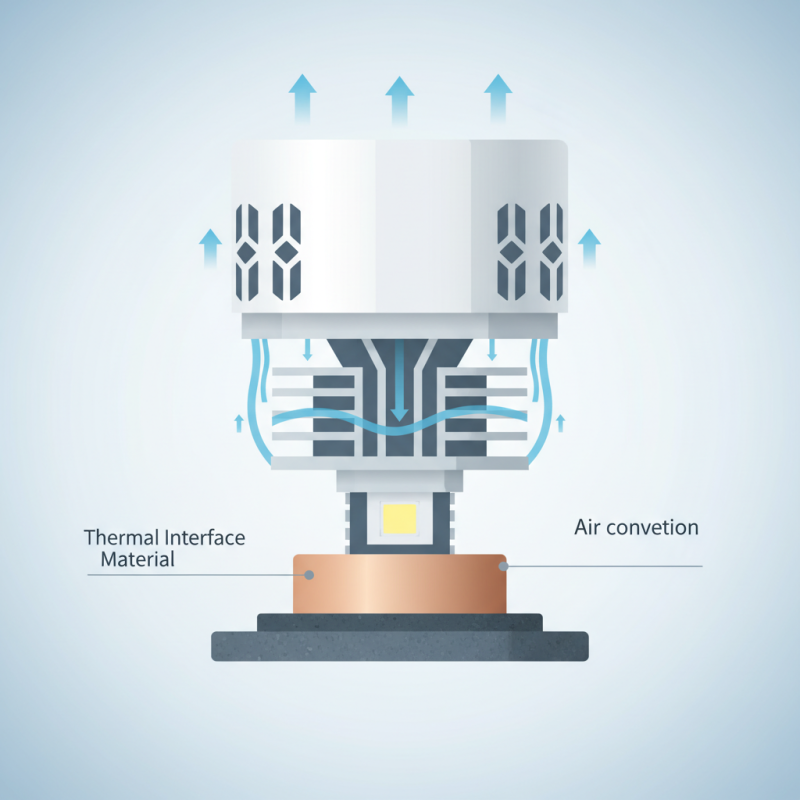
Incorporating thermal interface materials (TIMs) can also make a notable impact. These materials bridge the gap between heat sources and heat sinks. Proper application can reduce thermal resistance, ensuring better heat flow. It's essential to choose the right TIM, as improper selection may lead to suboptimal results. This highlights the need for thorough research and testing in material choice.
Technology plays a vital role as well. Innovative cooling mechanisms, such as heat pipes and phase change materials, improve efficiency. However, these technologies can introduce complexity into designs. Balancing performance with simplicity is often a challenge. Designers must assess trade-offs carefully, ensuring effective solutions without overcomplication. This ongoing evaluation process encourages continued improvement in thermal management strategies.
Heat Dissipation Performance of Lighting Products
Design Strategies for Improved Heat Dissipation in Lighting Fixtures
Effective heat dissipation is crucial for enhancing the performance and longevity of lighting fixtures.
One design strategy involves using materials with high thermal conductivity.
Aluminum and copper are excellent choices.
They can efficiently transfer heat away from LEDs. Implementing heatsinks made from these materials can significantly lower the operating temperature.
However, the design must balance aesthetics and functionality. Oversized heatsinks might not fit well in compact spaces.
Another vital aspect is the airflow around the lighting fixture.
Incorporating vents or openings can facilitate natural convection, helping hot air escape.
Strategic placement of these features ensures that the heat dissipates efficiently.
Regular dusting and cleaning of these areas is needed, as dust can obstruct airflow and reduce effectiveness.
Utilizing thermal interface materials (TIMs) can further enhance heat transfer between components.
However, many overlook the importance of proper application.
Too much or too little can hinder performance. Continuous monitoring of temperature during prototype testing helps identify weaknesses.
Iterative design adjustments based on this feedback can lead to better heat management solutions.
Testing and Measuring the Effectiveness of Heat Dissipation Solutions
Effective heat dissipation is crucial for lighting products. To assess the efficiency of heat dissipation solutions, specific testing methods must be implemented. These include thermal imaging, surface temperature measurements, and airflow analysis. Each method provides unique insights into how heat is managed within the fixture. For instance, thermal imaging can identify hot spots that indicate poor heat transfer.
Conducting tests in real-world conditions is important. Testing in controlled environments may not provide accurate results. Airflow patterns can vary significantly based on installation settings. Heat sinks may perform differently based on materials and design. Observations from field tests often reveal discrepancies when compared to laboratory results.
Furthermore, analyzing different designs and materials can lead to improvements. It is vital to note that not all solutions will be universally effective. Some could even worsen heat issues if not properly integrated. Continuous measuring and analyzing over time will refine heat dissipation methods. Collecting data on performance can guide future product development.
FAQS
: Using thermally conductive materials like aluminum or copper helps transfer heat away effectively.
Compact designs can trap heat. Proper spacing and ventilation are essential to improve heat management.
Heat sinks and fans are commonly used. However, complex setups can create maintenance challenges.
Ambient temperature and airflow significantly influence how well lights can dissipate heat.
Cleaning dust from fixtures prevents overheating. Dust obstructs airflow and diminishes heat dissipation efficiency.
Incorporating vents or openings facilitates natural convection, allowing hot air to escape effectively.
TIMs enhance heat transfer, but improper application can hinder performance. It requires careful handling.
Methods like thermal imaging and airflow analysis provide insights on heat management in real-world conditions.
Testing in controlled environments may not reflect actual performance. Field tests reveal significant discrepancies.
Continuous temperature measurement during prototypes allows for iterative design adjustments. This leads to better outcomes.
Conclusion
Effective heat dissipation is crucial for the longevity and performance of lighting products. To improve heat dissipation performance, it's important to understand the key factors that influence thermal management, such as material selection, design, and environmental conditions. Utilizing advanced materials and technologies can significantly enhance the efficiency of heat transfer, while innovative design strategies can optimize airflow and surface areas within fixtures.
Additionally, regular testing and measurement of heat dissipation solutions are essential to ensure that lighting products operate within safe temperature ranges. Implementing these practices not only boosts the performance and reliability of lighting systems but also contributes to energy efficiency and sustainability in lighting applications. By focusing on these aspects, manufacturers can effectively improve heat dissipation performance of lighting products and meet the growing demands for high-quality illumination.

 Guangyao Lighting