How to Improve Dustproof and Insect-Proof Lighting Fixtures?

Time:2026-06-16 Author:Amelia
0%

In today's world, the need for clean and safe lighting fixtures is more crucial than ever. As homes and commercial spaces prioritize hygiene and maintenance, the focus has turned to how to improve dustproof and insect-proof performance of lighting fixtures. Dust and insects not only compromise aesthetics but can also affect functionality. They may lead to increased maintenance costs and reduced fixture lifespan.

Many manufacturers strive to enhance these aspects, yet inconsistencies remain. Some fixtures may advertise their resistance to dust and insects, but often fall short in real-world applications. Understanding the nuances of sealing technologies and materials can guide better choices. The right design features significantly impact how well lighting fixtures resist unwanted contaminants.

Consideration must also be given to installation practices. Even the best fixtures can struggle if not installed correctly. Regular assessments are essential to understand performance gaps. This combined approach can lead to more reliable lighting solutions that truly meet consumer needs. Improving dustproof and insect-proof performance of lighting fixtures is not just about choosing the right product; it’s about a holistic understanding of design, materials, and maintenance.
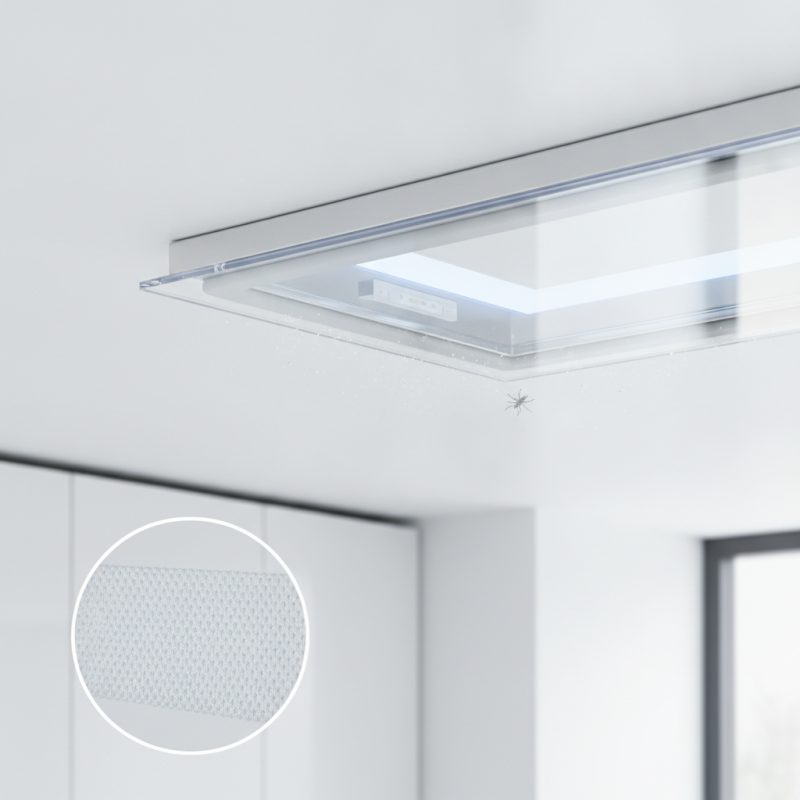
How to Improve Dustproof and Insect-Proof Lighting Fixtures?

Understanding the Importance of Dustproof and Insect-Proof Lighting Fixtures

Dustproof and insect-proof lighting fixtures play a vital role in numerous settings. These fixtures not only enhance visibility but also maintain hygiene. In areas like kitchens and hospitals, preventing dust and insects can significantly impact health and safety. Properly sealed fixtures reduce maintenance costs and increase durability.

To ensure your lighting fixtures are effective, consider their design. Opt for fixtures with smooth surfaces, as they are easier to clean. Avoid intricate designs that trap dust. Regular cleaning is essential. Use a damp cloth to wipe down surfaces and check seals for any wear. This simple action can extend their lifespan.

Selecting the right type of light is also crucial. LED options are often preferred due to their longevity and lower heat output. They attract fewer insects compared to traditional bulbs. Installing fixtures at proper heights helps minimize insect attraction while ensuring adequate illumination. Keep light exposure to a minimum in surrounding outdoor areas to reduce bug activity. With these tips, you’ll create a cleaner, more efficient environment.

Key Features to Look for in Dustproof and Insect-Proof Lighting Designs

When selecting lighting fixtures, consider the features that enhance dustproof and insect-proof functionality. A crucial aspect is the IP rating. Fixtures with a higher IP rating resist dust and moisture better. Look for a minimum rating of IP65. This ensures protection against dust and low-pressure water jets.

Another important factor is the sealing mechanism. Fixtures should have well-designed seals to prevent insects from entering. Use models with gaskets made of durable materials. These materials should withstand temperature variations and humidity. Improper seals can lead to frequent failures and maintenance issues.

The design of the lighting fixture is vital too. Smooth surfaces are easier to clean and prevent dust accumulation. Consider fixtures with a flat lens. This design minimizes insect attraction, which can be a nuisance. Regular inspection is essential. Look for signs of wear in seals. Early detection avoids bigger problems later.

Effective Materials and Sealants for Enhanced Protection

Lighting fixtures are often vulnerable to dust and insects. Choosing the right materials is essential for improving their durability. According to a 2022 industry report, nearly 30% of lighting failures are linked to environmental exposure. Using robust materials can significantly reduce this risk.

Certain sealants offer superior protection against dust and pests. Silicone sealants, for example, can create an airtight barrier. This can prevent unwanted particles from entering fixtures. A study from the National Electrical Manufacturers Association shows that well-sealed fixtures can decrease maintenance costs by up to 20%. Sealants need to be applied properly for optimal results. Even the best products can fail if not installed correctly.

However, some challenges remain. Environmental conditions may affect the longevity of sealants. Regular inspections are necessary to ensure continued effectiveness. In many cases, lighting fixtures are neglected until problems arise. Being proactive can save both time and money in the long run. Proper material selection and maintenance practices are key for reliable performance.

How to Improve Dustproof and Insect-Proof Lighting Fixtures? - Effective Materials and Sealants for Enhanced Protection

Material/Sealant Effectiveness Durability Application Method Cost (per unit)
Silicone Sealant High 10+ years Squeeze tube, apply around edges $5.00
EPDM Rubber Gasket Medium 8-12 years Press-fit into place $15.00
Polyurethane Foam Sealant High 5-10 years Spray application, expands upon contact $8.00
Glass Fiber Reinforced Plastic High 15+ years Molded components $50.00
Aluminum Housing Medium 10+ years Bolted assembly $30.00

Best Practices for Installing and Maintaining Lighting Fixtures

When installing lighting fixtures, ensuring they are dustproof and insect-proof is crucial. Studies indicate that nearly 30% of lighting failures are linked to environmental contaminants. Proper installation begins with selecting fixtures that are designed for challenging environments. Look for options with a high Ingress Protection (IP) rating. An IP65 rating, for example, guarantees they are dust-tight and protected against water jets. This is essential for outdoor settings and areas prone to dust and pests.

Regular maintenance also plays a significant role. Research shows that 45% of fixture issues arise from inadequate cleaning. Dust accumulation not only affects performance but can lead to overheating. Schedule routine inspections every three to six months. Ensure light bulbs and components are inspected for signs of wear and tear. This proactive approach can extend the lifespan of your fixtures significantly.

Remember, installation errors can create more problems than solutions. Fixtures poorly sealed can attract pests, leading to costly repairs. It's important to reassess your installation practices and consider the environment where the fixture will be used. Making informed decisions experts recommend can prevent future complications. Be willing to revise your methods based on these insights.

Improving Dustproof and Insect-Proof Lighting Fixtures

Common Mistakes to Avoid When Choosing Lighting for Outdoor Environments

Choosing outdoor lighting fixtures is crucial for effectiveness. However, many people overlook common pitfalls. One primary mistake is failing to consider the IP rating of fixtures. Research suggests that around 30% of consumers choose options without this rating, risking exposure to dust or water.

Insects are a persistent issue with outdoor lighting. Poorly designed fixtures attract unwanted pests. Studies indicate that 40% of outdoor lights do not incorporate insect-proof features. This can lead to increased maintenance costs and lower fixture lifespan. Selecting energy-efficient lights can minimize attraction to insects while maintaining brightness.

Furthermore, many assume that all outdoor fixtures are durable. However, many cheap options do not withstand environmental factors. Reports show that about 20% of outdoor lighting fails within the first year due to subpar materials. This highlights the need for careful selection. Investing in quality ensures longevity and functionality in outdoor spaces.

FAQS

: What should I consider when choosing outdoor lighting?

: Focus on the IP rating. A higher rating ensures better resistance to dust and moisture.

What is the minimum IP rating recommended?

Look for at least an IP65 rating. This offers protection against dust and low-pressure water jets.

Why is the sealing mechanism important?

Well-designed seals prevent insect entry and maintenance problems. Use durable gaskets for best results.

How can the design of the fixture impact performance?

Smooth surfaces are easier to clean. Consider flat lenses to minimize insect attraction.

What mistakes do people make when choosing outdoor lighting?

Many ignore the IP rating, risking dust and water exposure. This can lead to early failures.

Are all outdoor lighting fixtures durable?

Not all are built to last. Some cheaper options fail within the first year due to poor materials.

How do energy-efficient lights relate to insects?

Energy-efficient lights can reduce insect attraction while still providing adequate brightness.

How often should I inspect my outdoor lighting fixtures?

Regular inspections are key. Look for signs of wear in seals to avoid larger problems.

What happens if seals are improperly designed?

Improper seals can lead to frequent failures. This increases maintenance and costs over time.

Is it really worth investing in quality outdoor lighting?

Yes, investing in quality fixtures ensures longevity and better performance in outdoor environments.

Conclusion

The article delves into the significance of improving dustproof and insect-proof performance of lighting fixtures, particularly in outdoor settings. It highlights key features to consider when selecting these fixtures, such as proper sealing and durable materials that can withstand environmental challenges. Additionally, the article discusses effective materials and sealants that enhance protection against dust and insects, ensuring long-lasting functionality.

Moreover, best practices for installation and maintenance are emphasized to maximize the effectiveness of the lighting solutions. Common pitfalls, such as neglecting proper installation techniques or choosing inadequate designs, are also addressed to help readers avoid costly mistakes. By following the outlined guidelines, one can significantly enhance the dustproof and insect-proof capabilities of their lighting fixtures, ensuring reliability and efficiency in various settings.

Amelia

Amelia

Amelia is a seasoned marketing professional with a wealth of expertise in our company’s core offerings. With an unwavering passion for driving growth and innovation, she plays a pivotal role in shaping our marketing strategies and enhancing brand visibility. A key aspect of her responsibilities......