How Do Solar LED Lights Work Without Electricity China Best?

Time:2026-10-17 Author:Sophia
0%

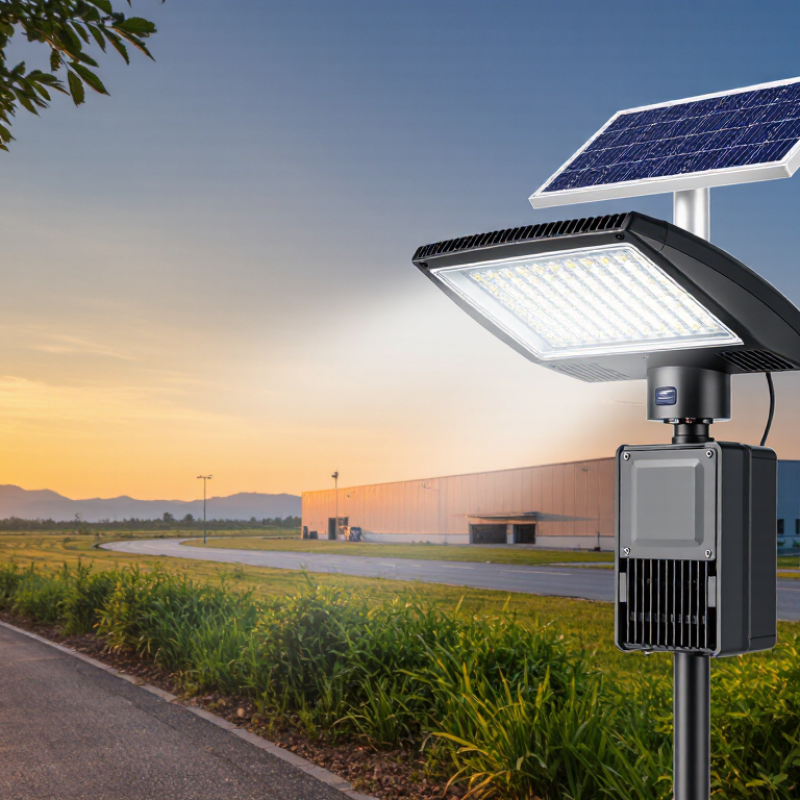
How do solar LED lights work without electricity? They do use electricity, but they generate it independently from sunlight. A small photovoltaic panel captures solar energy during daylight hours. Its cells convert light into direct-current electrical energy. A charge controller then regulates this energy before it reaches the battery.

After sunset, the stored power flows through an LED driver. The driver supplies a stable current to the LED chips, which produce bright light with relatively low energy consumption. A light sensor or timer usually activates the lamp automatically. This simple sequence explains why outdoor solar lights can operate beside gardens, roads, warehouses, and remote properties without a grid connection.

Real performance depends on more than the product label. Panel size, battery chemistry, LED efficiency, weather, installation angle, and nighttime temperature all matter. In China, experienced solar lighting manufacturers commonly test charging cycles, waterproof seals, brightness, and battery protection systems. Still, “all-night lighting” can be an optimistic claim during winter or several cloudy days. The lamp may dim early.

This guide examines the working process with practical details, not exaggerated promises. It also considers design choices found in reliable China-made solar LED products, including lithium batteries, motion sensors, and adjustable panels. I may simplify some circuit behavior for clarity. However, that limitation deserves recognition. Technical specifications should always be checked against independent testing, warranty terms, and actual site conditions. A bright sample in a showroom proves little. Placement decides much of the result.
How Do Solar LED Lights Work Without Electricity China Best?

Solar Energy Collection Through Photovoltaic Panels

How Do Solar LED Lights Work Without Electricity China Best?

It sounds simple. A photovoltaic panel collects sunlight and changes it into direct-current electricity. Tiny silicon cells absorb photons, creating an electrical flow through the panel’s circuit. The output is not constant. Bright noon sunlight produces more energy than a gray winter afternoon.

A charge controller regulates this flow before it reaches the battery. It helps prevent overcharging and excessive discharge, which can shorten battery life. After sunset, a light sensor signals the controller to power the LED. The battery then supplies stored energy, while the LED produces strong illumination with relatively low consumption. In practical installations, I check the panel angle, cable connections, and battery condition before judging performance. A dusty surface can reduce charging more than expected.

Clouds do not stop the system completely, but several dark days can create weak lighting. This detail is often overlooked. Panel size, battery capacity, temperature, and nightly operating hours must match local conditions. In northern or heavily shaded areas of China, winter output may fall noticeably. A well-designed solar light should include realistic reserve capacity, not only impressive daytime measurements. I have also found that small installation errors matter: a nearby wall, tree, or tilted panel can cut useful sunlight. The design may seem reliable, yet seasonal testing is still necessary.

How Do Solar LED Lights Work Without Electricity?

A photovoltaic panel converts sunlight into direct-current electricity. The charge controller stores this energy in a battery during the day, and the battery powers the LED light after sunset. The chart shows estimated daily electricity generation for a 100 W solar panel under different peak-sun-hour conditions, using an 80% real-world system performance factor.

Calculation: Daily energy = 100 W × peak sun hours × 80%. For example, 5 peak sun hours can produce approximately 400 Wh of usable electricity, enough to power a 10 W LED lamp for about 40 hours before battery and operating limitations.

Battery Storage for Nighttime Lighting

Solar LED lights do not need grid electricity at night because they store daytime energy in a battery. A photovoltaic panel converts sunlight into direct current, while a charge controller regulates voltage and protects the battery. After sunset, a light sensor activates the LED, drawing stored power through a driver circuit.

Battery storage is the practical heart of nighttime lighting. The U.S. Department of Energy reports that lithium-ion systems commonly achieve about 85% to 95% round-trip efficiency, although small outdoor products may perform worse. Battery capacity should match local sunlight, lamp power, and expected hours of darkness.

For example, a 5-watt lamp operating for eight hours needs roughly 40 watt-hours before system losses.

Cloudy weather requires extra reserve.

Small details matter.

Field experience shows that heat, dust, partial shade, and aging batteries can reduce real performance. The International Energy Agency reported that around 600 million people in Africa lacked electricity access in 2023, making dependable off-grid lighting especially important. However, a large panel cannot fix poor battery sizing. A useful design may reserve two nights of lighting, yet this increases cost and weight. Designers should also check battery temperature limits, replacement access, and measured lumen output after several months. A neat calculation can still fail beside a dusty wall.

Automatic Light Sensors and Control Systems

Solar LED lights can operate without grid electricity because a photovoltaic panel converts daylight into stored energy. A charge controller protects the battery from overcharging and excessive discharge. After sunset, an automatic light sensor detects reduced brightness and activates the LED circuit.

Many systems use a photodiode or a voltage-based dusk sensor. When outdoor light falls below a set threshold, the controller switches the lamp on. At dawn, it turns the lamp off and resumes charging. This process needs no manual operation. It is useful for gardens, pathways, farm entrances, and remote work areas.

Some models add motion sensors. The lamp stays dim when nobody is nearby, then becomes brighter when movement is detected. This saves battery power during long winter nights. However, sensor placement matters. A nearby wall, reflective surface, or passing vehicle can trigger false activation. Snow may cover the panel and reduce charging efficiency. That part is easy to overlook.

For dependable performance, install the panel where it receives direct sunlight for several hours. Keep the sensor away from porch lights and avoid placing it behind glass. In practical maintenance, cleaning dust from the panel every few months can improve charging. Battery aging remains a weakness. Even a well-designed control system may provide shorter lighting periods after several cloudy days. Testing the switch threshold during different seasons is sensible, because the factory setting may not suit every location.

LED Illumination With Minimal Power Consumption

Solar LED lights work without grid electricity by converting sunlight into stored energy. A photovoltaic panel captures light during the day and charges a rechargeable battery. After sunset, a controller releases that energy to the LED circuit.

LEDs need far less power than traditional bulbs. A small solar fixture can provide useful pathway lighting with only a few watts. The light sensor activates the lamp automatically when outdoor brightness falls. Some controllers also reduce brightness after midnight, extending battery life and maintaining basic visibility.

In practical use, panel placement matters greatly. I once tested a light beneath a balcony, and its battery emptied before dawn after several cloudy days. The problem was not the LED; insufficient sunlight limited charging. Install the panel away from trees, walls, and winter shadows. Keep the surface clean, because dust can reduce energy collection.

A dependable design should include overcharge protection, weather-resistant housing, and a battery suited to local temperatures. Lithium-based batteries often provide strong energy density, while colder conditions can still reduce performance. Check the panel rating, battery capacity, operating hours, and lighting mode before installation. Claims of continuous brightness deserve careful testing, especially during rainy seasons. Small compromises remain: lower brightness usually provides longer nighttime operation.

Factors Affecting Solar Light Performance and Runtime

Solar LED lights work without grid electricity by converting sunlight into stored energy. A photovoltaic panel charges a battery during daylight. At night, a controller releases that energy to the LED. Their runtime depends less on marketing claims than on sunlight, battery capacity, temperature, and electrical losses.

The World Bank’s Global Solar Atlas shows daily solar irradiation commonly ranging from about 2 to 6 kWh/m² across different regions. Shading, dust, and winter angles can reduce charging sharply. Fraunhofer ISE’s Photovoltaics Report notes that crystalline silicon modules typically lose about 0.3% to 0.4% output for every 1°C temperature increase. Hot rooftops matter. So does panel orientation. A clean panel can outperform a larger, poorly positioned one.

Battery size sets the practical limit. A 10 Wh battery powering a 3 W LED may provide roughly three hours before losses. The controller, wiring, and battery condition reduce that figure. Lighting Global quality testing evaluates light output and operating time under controlled conditions, but real weather remains less predictable. I would not promise all-night lighting after one cloudy day. Two or three weak sunlight days can expose an undersized battery quickly. For dependable use, compare measured lumens, battery watt-hours, charging conditions, and tested runtime—not panel size alone.

How Do Solar LED Lights Work Without Electricity China Best? - Factors Affecting Solar Light Performance and Runtime

Solar LED lights convert sunlight into stored electrical energy during the day and use that energy to power LEDs after dark.

Performance Factor Typical Data or Condition Effect on Solar Light Performance Practical Recommendation
Solar Irradiance Clear midday sunlight can approach 1,000 W/m² under standard test conditions. Higher irradiance allows the photovoltaic panel to generate more power and recharge the battery faster. Install the light where the panel receives direct sunlight for most of the day.
Daily Peak Sun Hours Many locations receive approximately 3–6 peak sun hours per day, depending on season and climate. Low seasonal sunlight may prevent the battery from reaching full charge, reducing nighttime runtime. Use local solar-radiation data when selecting the panel size and battery capacity.
Panel Orientation and Tilt A panel generally performs best when aimed toward the equator and positioned near the local optimum tilt angle. Poor orientation or excessive tilt can reduce the amount of sunlight captured during the day. Avoid placing the panel flat under ledges or where surrounding structures block the sun.
Shade and Obstructions Partial shade from trees, walls, poles, or buildings can substantially reduce charging current. Even limited shading can lower daily energy production and shorten operating time at night. Keep the panel free from shadows, especially during the strongest sunlight hours.
Weather and Cloud Cover Clouds reduce direct sunlight, although photovoltaic panels can still produce power from diffuse light. Several cloudy or rainy days may leave the battery partially charged or depleted. Choose a system with reserve battery capacity for the expected local weather conditions.
Photovoltaic Panel Efficiency Commercial crystalline-silicon modules commonly achieve roughly 18–23% rated conversion efficiency. Higher efficiency can provide more charging power from the same panel area. Compare rated panel power in watts, not only the physical panel size.
Battery Capacity Battery energy is commonly estimated as: watt-hours (Wh) = voltage (V) × ampere-hours (Ah). A larger usable battery capacity generally provides longer runtime, provided the panel can recharge it. Match battery capacity with the LED load and the available daily solar energy.
LED Power Consumption A 2 W LED operating for 10 hours uses approximately 20 Wh before system losses. Higher LED wattage produces more light but consumes stored energy more quickly. Use an efficient LED and select an appropriate brightness level for the application.
Lighting Runtime Runtime can be approximated by usable battery energy ÷ LED power, after allowing for system losses. Runtime decreases when the battery is not fully charged, the LED power is increased, or conversion losses rise. Use dusk-to-dawn or motion-sensor modes to reduce unnecessary energy consumption.
System Losses Charging, wiring, controller, and battery losses mean that usable energy is lower than the panel’s theoretical output. Actual runtime is normally shorter than a simple battery-capacity calculation suggests. Allow a design margin instead of sizing the battery and panel exactly to the calculated load.
Temperature Solar panels generally lose voltage as cell temperature rises; batteries also perform differently in cold conditions. High heat can reduce panel output, while low temperatures can reduce available battery capacity and charging performance. Provide ventilation around the panel and use a battery chemistry suitable for the local climate.
Battery Age and Cycle Wear Rechargeable batteries gradually lose capacity after repeated charge and discharge cycles. An aging battery stores less energy, causing shorter runtime even when the panel is clean and unobstructed. Replace the battery when nighttime runtime remains low after adequate sunny charging.
Panel Cleanliness Dust, pollen, bird droppings, and other deposits reduce the light reaching the photovoltaic cells. Dirty panels generate less electricity and may leave the battery undercharged. Clean the panel periodically with water and a soft cloth, following the product’s safety instructions.
Lighting Control Mode Common modes include dusk-to-dawn, fixed-hour operation, low-brightness standby, and motion activation. Motion or dimming modes can significantly reduce energy use compared with continuous full-power lighting. Select the control mode according to security, pathway, decorative, or general illumination needs.
LED Light Output Brightness is measured in lumens, while electrical consumption is measured in watts. Two lights using similar wattage may produce different brightness levels because LED efficiency varies. Compare lumens, watts, beam angle, and runtime together rather than judging performance by wattage alone.

Note: Actual performance varies with location, season, panel size, battery chemistry, controller efficiency, installation angle, weather, and operating mode. Runtime figures should be treated as estimates rather than guarantees.

FAQS

How do solar LED lights work at night?

A photovoltaic panel stores daylight energy in a rechargeable battery. After sunset, a light sensor activates the LED circuit.

Do solar LED lights need manual switching?

Usually, no. A dusk sensor turns the lamp on automatically and switches it off at dawn.

Where should the solar panel be installed?

Place it in direct sunlight for several hours. Avoid trees, walls, balconies, winter shadows, and nearby reflective surfaces.

What can reduce charging efficiency?

Dust, snow, shade, poor panel angles, and cloudy weather can reduce stored energy. Snow causes trouble.

How do motion sensors save battery power?

The lamp stays dim when nobody is nearby. It becomes brighter after detecting movement, reducing energy use.

Why might a sensor switch on unexpectedly?

Passing vehicles, reflective walls, porch lights, or incorrect placement can trigger false activation. Sensor location needs careful testing.

How long can a solar light operate overnight?

Runtime depends on sunlight, battery capacity, temperature, brightness, and electrical losses. A 10 Wh battery may power a 3 W LED for about three hours before losses.

Can solar lights stay bright all night during cloudy weather?

Not reliably. Several cloudy days may empty a small battery, especially during winter. I would not promise all-night brightness.

How can owners maintain better performance?

Clean the panel every few months and check the switch threshold across seasons. Battery aging remains a weakness.

What should buyers compare before installation?

Compare measured brightness, battery watt-hours, charging conditions, lighting modes, and tested runtime. Panel size alone proves little.

Conclusion

How do solar LED lights work without electricity? They use sunlight as their primary energy source. During the day, photovoltaic panels convert solar energy into electrical power, which is stored in a rechargeable battery. After sunset, an automatic light sensor detects the reduced brightness and activates the lighting system. The battery then supplies energy to efficient LED bulbs, allowing them to provide clear illumination while using very little power.

The performance and runtime of solar LED lights depend on several factors, including panel efficiency, battery capacity, sunlight exposure, weather conditions, installation angle, and LED power consumption. Strong direct sunlight can improve charging, while cloudy days, shade, dust, or short winter daylight hours may reduce operating time. With suitable placement and regular cleaning, solar LED lights can offer a practical, energy-saving lighting solution without relying on a connection to the electrical grid.

Sophia

Sophia

Sophia is a dedicated marketing professional with an exceptional depth of knowledge about her company's products and services. With a keen understanding of market trends and customer needs, she crafts insightful blog posts that not only inform but also engage readers, enriching the company’s online......