Creating a warm and inviting home environment often starts with the right lighting. Many homeowners overlook how essential it is to enhance brightness and illumination uniformity for home lighting. Poor lighting can lead to fatigue and strain, affecting both mood and productivity. It's crucial to understand the principles behind good lighting design.
The choice of fixtures, brightness levels, and color temperature plays a significant role. High-brightness areas draw attention, while dim areas can create unwanted shadows. Achieving uniformity ensures that every space feels balanced and comfortable. There is often a challenge in maintaining this uniformity. Rooms with large windows may have fluctuating light levels compared to darker corners.
Many believe they have achieved the perfect balance, yet they often miss areas that require adjustment. This is where expertise comes in. Consulting with lighting professionals can help identify these inconsistencies. They can provide advice tailored to specific spaces and needs. Exploring these aspects allows you to truly enhance brightness and illumination uniformity for home lighting, turning an average space into an exceptional one.
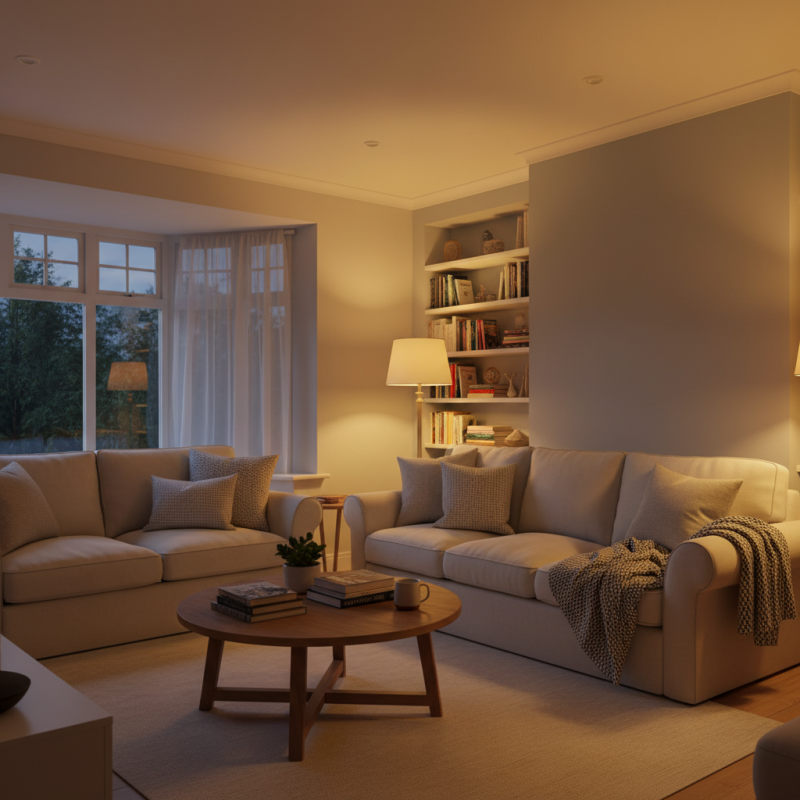
Brightness plays a crucial role in home lighting. It affects mood, productivity, and even safety. According to a report by the Lighting Research Center, proper brightness can enhance visual comfort, improving focus and reducing eye strain. Inadequate lighting may lead to accidents at home, especially in stairways or kitchens.
To ensure effective home lighting, consider layering different light sources. Ambient, task, and accent lighting each serve distinct purposes. Task lighting, such as desk lamps, should be around 300-500 lux for optimal productivity. This balance creates a cozy yet functional atmosphere.
**Tip**: Use dimmers to adjust brightness as needed. They allow flexibility and adaptability throughout different times of the day.
Most homeowners underestimate the impact of color temperature. Warmer LED lights (around 2700K to 3000K) can create an inviting space, while cooler lights (5000K+), enhance alertness for work areas. It's essential to assess where and how lighting is used before choosing a bulb.
**Tip**: A simple test at different times of the day can help you determine what works best for each room.
When considering lighting in residential spaces, several factors influence illumination uniformity. The type of light source plays a crucial role. Different bulbs, such as LED or incandescent, emit light at varying intensities and angles. This affects how light distributes itself across a room. For instance, a single overhead light may leave shadows in corners.
The layout of furniture also impacts uniformity. If large pieces block light, certain areas may remain dim. An open space often allows light to travel more freely. In contrast, clutter can create uneven lighting patterns. Moreover, the color of walls and furnishings influences how light reflects. Dark colors absorb light, while light colors help maximize brightness.
Window placement is another essential factor. Natural light can enhance uniformity during the day. However, poor placement may lead to inconsistent illumination as the sun moves. It’s beneficial to assess how natural light interacts with your home layout throughout the day. Sometimes, even after considering these elements, certain spaces remain less illuminated than desired. Addressing these issues requires ongoing experimentation and adjustment.
In residential lighting design, enhancing brightness and achieving uniform illumination are crucial. Many homes suffer from uneven lighting, leaving certain areas dimmer than others. Studies suggest that proper lighting can improve mood and productivity by up to 20%. For instance, placing light sources in corners can prevent shadows in living spaces.
Smart layering techniques can elevate brightness effectively. Combining ambient, task, and accent lighting creates a balanced environment. Research shows that 80% of interior designers recommend such multimodal approaches. For instance, in kitchens, task lighting is vital near countertops. Yet, homeowners often underestimate the impact of soft fixtures in living rooms for an inviting atmosphere.
Additionally, color temperature plays a substantial role. Warmer lights can create a cozy feel but may not be optimal for work areas. In offices, cooler tones boost focus. However, too much brightness can lead to glare, affecting comfort. Homeowners should evaluate their lighting setups regularly to ensure they meet their needs and standards. Choices in bulb types, LED versus incandescent, also affect energy efficiency without sacrificing brightness.
Choosing the right lighting fixtures can transform your home. A well-lit space enhances mood and productivity. It’s vital to consider both brightness and uniformity when selecting lights. Different rooms require different lighting effects. For example, kitchens may need bright light for cooking, while bedrooms benefit from softer illumination.
When shopping for fixtures, think about the type of bulb. LEDs are popular for their efficiency. However, not all LEDs offer the same quality of light. Some can create harsh shadows or uneven lighting. Test different bulbs to see which gives you the desired warmth and clarity.
Additionally, the placement of lighting fixtures matters greatly. Overhead lights should be positioned to minimize glare. Wall sconces can provide supplementary light that reduces shadows in corners. Assess your layout carefully.
Poorly distributed lighting can lead to frustrating dark spots. Always strive for harmony in your lighting design for the best results.
To maintain high-quality home lighting, proper maintenance practices are essential. Regularly replacing light bulbs can significantly impact illumination uniformity. According to recent studies, around 30% of households neglect to replace burnt-out bulbs promptly. This simple oversight can create dark spots, reducing the overall brightness in a room.
The cleanliness of light fixtures also plays a critical role. Dust and grime accumulation can cut light output by up to 25%. Cleaning fixtures monthly can help keep the light consistent. A microfiber cloth and mild detergent can do wonders, ensuring maximum brightness.
Furthermore, consider the effects of dimmers and smart lighting. Reports suggest that homes with adjustable lighting can reduce energy consumption by about 20%. However, improper use can lead to uneven lighting. Homeowners should be aware that dimmers may not always provide uniform illumination. Balancing between ambient and task lighting is a nuanced process that requires attention. Regularly evaluating your lighting strategy can lead to improvements and a more inviting atmosphere.
: Brightness affects mood, productivity, and safety. Proper lighting enhances visual comfort and reduces eye strain.
Layer different light sources: ambient, task, and accent lighting. Each type serves a unique purpose.
Task lighting should be between 300-500 lux for optimal productivity and comfort.
Warmer lights create a cozy feel, while cooler lights enhance alertness. Consider your room’s purpose.
Light source type, furniture layout, wall color, and window placement all affect how evenly light spreads.
Natural light can improve uniformity during the day but may create inconsistencies due to sun movement.
Consider brightness and uniformity. Different rooms need different lighting effects to enhance functionality.
Not all bulbs provide the same quality. Testing helps find the right warmth and clarity for your space.
Assess fixture placement and consider adding wall sconces. Adjustments can help create a more even lighting experience.
Many underestimate the impact of colors and layouts. Experimentation is key to achieving the desired atmosphere.
In the quest to enhance brightness and illumination uniformity for home lighting, understanding the significance of brightness is crucial. Adequate brightness not only improves visibility and comfort but also influences the overall ambiance of a space. Various factors, such as the layout of the room, color schemes, and the type of light sources used, play a vital role in achieving uniform illumination across residential areas.
To effectively enhance brightness in various home environments, incorporating techniques such as layered lighting and strategic fixture placement can make a significant difference. Selecting the right lighting fixtures designed for even light distribution further aids in achieving consistent illumination. Lastly, regular maintenance practices are essential to sustain the quality of home lighting, ensuring that the brightness and illumination uniformity are preserved over time. By focusing on these aspects, homeowners can create well-lit spaces that are both functional and aesthetically pleasing.

Guangyao Lighting