How to Dim LED Lights Properly for Perfect Ambiance?

Time:2026-08-03 Author:Aria
0%

Creating the perfect ambiance in your home often hinges on lighting. Understanding how to dim LED lights properly can enhance your space significantly. It is essential to grasp that LED technology differs from traditional bulbs. This affects how lighting is adjusted and perceived in various settings.

When dimming LED lights, factors like the type of dimmer switch and the quality of the bulbs matter greatly. Many people overlook these aspects. Choosing compatible dimmers ensures smooth operation. However, not all dimmers work well with LED lights. This can lead to flickering or inadequate light reduction. It's a common frustration, but adjusting your approach can yield better results.

Reflecting on personal experiences, some might feel overwhelmed by their choices. The array of LEDs available can be confusing, and dimming them may not always achieve the desired effect. When experimenting, don’t be afraid to try various setups. Understanding how to dim LED lights properly is a journey, one that requires patience and a bit of trial and error.
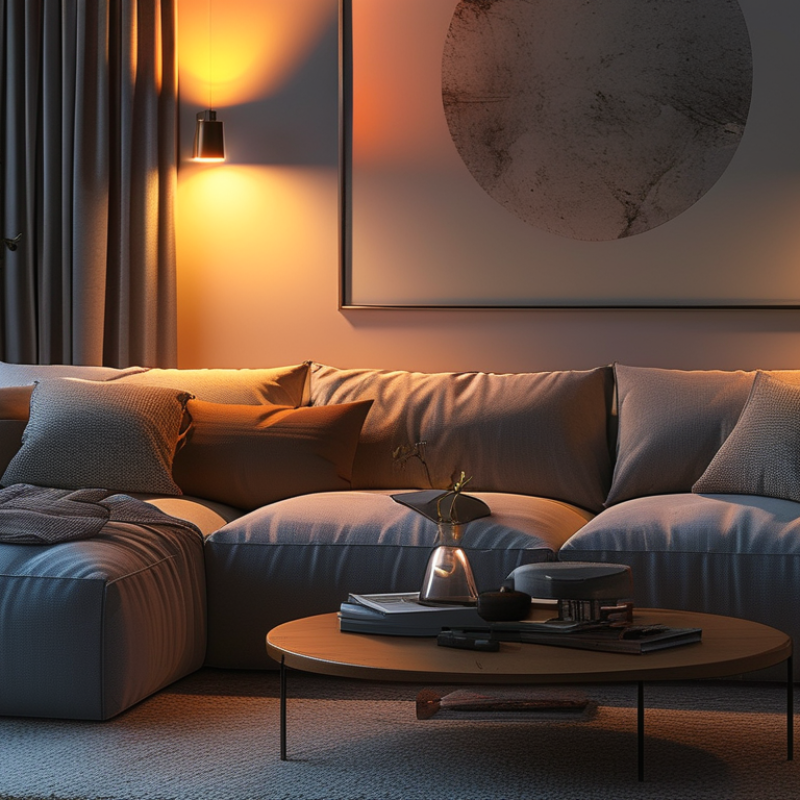
How to Dim LED Lights Properly for Perfect Ambiance?

Understanding LED Dimming: The Basics of Light Output Control

LED dimming plays a crucial role in achieving the right ambiance in any space. Understanding how to control light output can create different moods. Studies show that properly dimmed LED lights can reduce energy consumption by 30% to 50%, depending on the usage. Dimming not only saves energy but also extends the lifespan of the bulbs. Reports indicate that LED lights last approximately 25,000 to 50,000 hours, making dimming a smart choice for sustainability.

The science behind LED dimming involves controlling the voltage or current supplied to the light source. Unlike incandescent bulbs, LEDs require compatible dimmers designed to work with their specific technology. Many standard dimmers may not perform well, leading to flickering or poor dimming range. It is essential to select the right dimmer for optimal functionality. Misleading claims about dimming capabilities can lead to disappointment. Relying on outdated information can result in subpar performance and dissatisfaction.

Furthermore, ambiance can be impacted by the color temperature of the LED lights. Warmer temperatures create a cozy feel while cooler tones promote productivity. Monitoring how your space reacts to different dimming levels can lead to a better understanding of your lighting needs. Each adjustment can either enhance or diminish your desired environment. Testing various setups and gathering feedback can lead to more informed choices.

Types of Dimming Methods for LED Lights: A Comparative Analysis

When it comes to dimming LED lights, understanding the various methods is crucial for achieving the perfect ambiance. Different dimming techniques can greatly affect light quality, energy consumption, and even the lifespan of your LEDs. Among the popular options are phase-cut dimming, 0-10V dimming, and smart dimming systems. Each has its strengths and weaknesses, making it essential to choose wisely.

Phase-cut dimming is common and cost-effective. It works by slicing the AC wave, but this can lead to flickering at lower settings. Some users may find this flicker distracting, albeit minor. In contrast, 0-10V dimming offers smoother transitions, providing consistent light levels. However, it may require additional wiring, which can be inconvenient for existing setups. Smart dimming systems offer control via apps but might be more complex than needed. Users need to consider comfort levels with technology when opting for this method.

Not all dimmers are compatible with every LED bulb. This lack of standardization can lead to unexpected results. Sometimes, the perfect dimmer can be hard to find. You might need to experiment with various combinations to discover what works best for your space. Dimming LEDs isn't just a plug-and-play task; it requires careful thought and planning. The challenge lies in balancing light quality and convenience while ensuring that the mood is just right.

Types of Dimming Methods for LED Lights: A Comparative Analysis

Choosing the Right LED Dimmer: Compatibility and Performance Factors

When it comes to dimming LED lights, compatibility and performance are key factors. Not all LED lights can work with every dimmer switch. According to a report by the Lighting Research Center, over 50% of dimmable LED products are not compatible with standard dimmer switches. This mismatch can result in poor performance, flickering, or a limited dimming range. Users should always check the specifications of both the LED and the dimmer to ensure they function well together.

Performance issues can also arise from the quality of the dimmer switch. A study by the Department of Energy indicates that high-quality dimmers can enhance the lifespan of LED lights by up to 25%. Low-cost dimmers may lead to overheating and decreased efficiency. Additionally, the design of the circuit plays a crucial role. Dimmers with a neutral wire tend to provide better performance and reliability. Users should consider investing in a dimmer specifically made for LEDs to avoid these common pitfalls.

In practice, many homeowners discover that their dimming experience is not as seamless as expected. This can be frustrating, especially when trying to create the perfect ambiance. Engaging with professionals can help navigate these compatibility issues and improve overall satisfaction. Not all solutions are straightforward, and understanding the intricacies of lighting systems is essential for optimal results.

Impact of Dimming on Energy Efficiency and Lifespan of LEDs

Dimming LED lights has both energy efficiency and lifespan benefits. According to a study by the U.S. Department of Energy, dimming LED lights can save up to 20% more energy compared to full brightness. This is significant for reducing electricity bills and environmental impact.

Moreover, the lifespan of LED bulbs can be extended through proper dimming. When operated at lower levels, LEDs generate less heat, which is a key factor that influences their longevity. Reports suggest that dimming can prolong an LED's lifespan by up to 50%, making them a smart choice for sustainable living.

However, not all dimmers are compatible with LED technology. Using the wrong type can lead to flickering or insufficient dimming. It's essential to select the correct dimmer to ensure optimal performance. Understanding these nuances can guide consumers toward making informed choices.

How to Dim LED Lights Properly for Perfect Ambiance? - Impact of Dimming on Energy Efficiency and Lifespan of LEDs

Dimming Level (%) Energy Consumption (Watts) Estimated Lifespan (Hours) Lighting Effect
100% 10 25,000 Bright
75% 7.5 30,000 Soft
50% 5 35,000 Warm
25% 2.5 40,000 Dim
0% 0 50,000 Off

Creating the Ideal Ambiance: Color Temperature and Dimness Levels

Creating the perfect ambiance with LED lights relies heavily on color temperature and dimness levels. Choose your color temperature wisely. Warmer tones (2700K-3000K) create a cozy atmosphere. These tones are ideal for bedrooms or living rooms. They help foster relaxation and intimacy. On the other hand, cooler tones (4000K-5000K) are more energizing. They work well in kitchens and workspaces. Balancing these temperatures can dramatically affect the room's mood.

Dimness levels also play a crucial role in achieving ambiance. Bright lights can feel harsh and overwhelming. Dimming the lights can soften the space, but too low can make it feel gloomy. Experimenting with different dim levels is key. A light that seems perfect during the day might feel too dim at night. It's important to adjust according to the time and activity. In addition, consider the surface colors and textures in your space. They can reflect light differently, altering the perceived dimness.

Remember, achieving ideal ambiance with LED lights is often a trial-and-error process. What works for one room may not work for another. Each space has unique needs. It's okay to feel unsure. Make adjustments and play with settings until you find your perfect balance. Allow each mistake to guide your decisions. This exploration will lead to a more personalized and pleasant living environment.

FAQS

: What is the purpose of LED dimming?

: LED dimming helps create different moods and ambiance in a space. It can reduce energy consumption by 30% to 50%.

How does dimming affect LED lifespan?

Proper dimming extends the lifespan of LED bulbs, which can last between 25,000 to 50,000 hours.

What must be considered when choosing a dimmer?

Compatibility with your LED lights is crucial. Not all dimmers work with every LED bulb, leading to flickering or poor performance.

What are the different types of dimming methods?

Popular methods include phase-cut dimming, 0-10V dimming, and smart dimming systems. Each has unique strengths and weaknesses.

What issues can arise from using a phase-cut dimmer?

Phase-cut dimming can cause flickering at lower settings, which some users may find distracting.

How does 0-10V dimming compare to other methods?

It offers smoother transitions and consistent light levels but may require additional wiring for installation.

What challenges do homeowners face with dimming LEDs?

Many find the dimming experience frustrating due to compatibility and performance issues, which require careful planning.

Why invest in high-quality dimmers?

High-quality dimmers can enhance LED lifespan by up to 25%. Low-cost options may lead to overheating and reduced efficiency.

Can dimming affect energy consumption?

Yes, appropriately dimmed LED lights can lead to significant energy savings over time.

What should be done if dimming doesn't meet expectations?

Engaging with professionals can help identify compatibility issues and improve overall dimming performance.

Conclusion

In the exploration of "How to dim LED lights properly," it is essential to first understand the fundamentals of LED dimming, which includes controlling light output effectively. Various dimming methods, such as phase-cut, PWM, and smart dimmers, offer unique benefits and challenges that should be considered when selecting the right dimmer for your LED lights. It’s crucial to ensure compatibility between LED bulbs and dimmers to achieve optimal performance.

Moreover, dimming not only enhances the ambiance of a space by allowing for adjustments in color temperature and dimness levels but also significantly impacts energy efficiency and the lifespan of LEDs. By mastering the art of dimming, you can create the perfect atmosphere while maximizing the benefits of your LED lighting.

Aria

Aria

Aria is a dedicated marketing professional with a deep passion for innovative strategies and a keen understanding of our company's product offerings. With a wealth of experience in the industry, Aria excels at crafting engaging content that highlights the unique features and benefits of our......