When selecting lighting for your space, understanding what is the difference between warm and cool white LED lights can significantly impact ambiance. Warm white LEDs emit a soft, yellowish glow that creates a cozy and inviting atmosphere. These lights are often preferred for living rooms and bedrooms where relaxation is desired. On the other hand, cool white LEDs produce a brighter, bluish light, suitable for areas requiring focus and clarity, such as kitchens and offices.
The difference in color temperature also affects mood and productivity. Warm white contributes to a serene environment, while cool white can lead to increased alertness. Choosing the right type depends on your personal preference and the purpose of the space. However, many people overlook these details, leading to dissatisfaction with their lighting choices later.
It's important to experiment with each type before deciding. For example, a warm light could brighten your evening gatherings, but might not be ideal for late-night reading. Recognizing these nuances can help enhance your living experience.
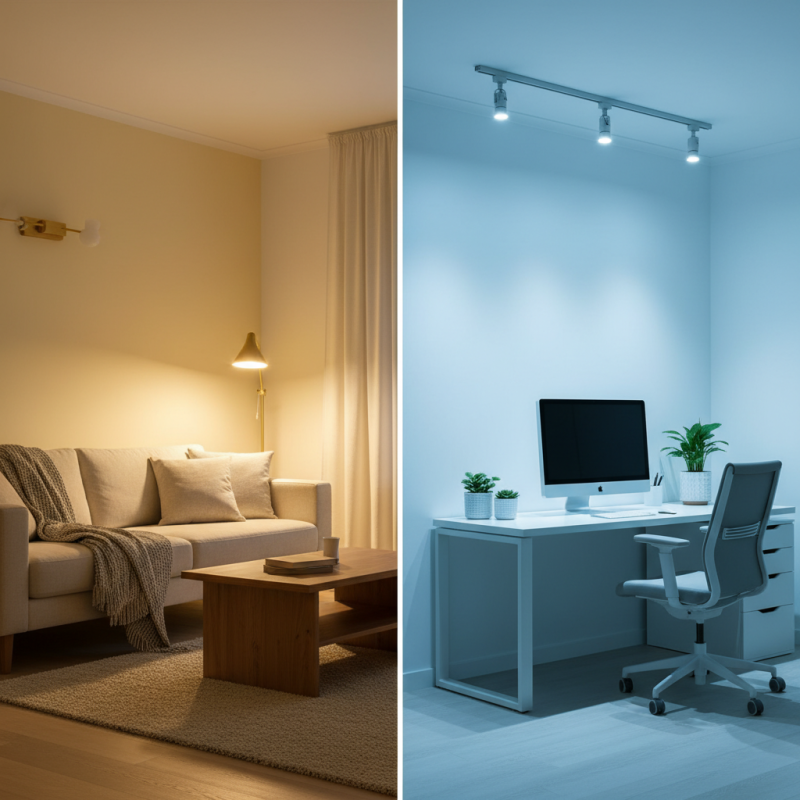
Characteristics of Warm White LED Lights
Warm white LED lights offer a cozy and inviting atmosphere. They usually range from 2700K to 3000K on the color temperature scale. This warmth makes them ideal for residential settings, like living rooms and bedrooms. According to the Lighting Research Center, warm white lights enhance colors and textures, making spaces feel more comforting and intimate.
A study by the American Lighting Association shows that warm white LEDs improve mood and relaxation. They mimic incandescent bulbs, which many people find more appealing. These lights emit a softer glow, promoting a peaceful environment. Warm white LEDs can also reduce eye strain, as their gentle light is less harsh compared to cooler alternatives.
Tips: When choosing warm white LEDs, consider the brightness in lumens. A higher wattage may not always mean more light. It’s also essential to reflect on how different shades affect your space. Test a small area first to see the effect. Remember, lighting can drastically change a room's vibe. Aim for a balance that works for your lifestyle and needs.
Characteristics of Cool White LED Lights
Cool white LED lights emit a bright, crisp illumination. Their color temperature typically ranges from 4000K to 6500K. This light is stark and enhances visibility. It's ideal for spaces where tasks are performed. Think of offices or kitchens. The cool tone promotes alertness, making it easier to focus on work.
Using cool white LED lights can affect ambiance. In a living room, for example, they might feel too harsh. The brightness can create a sterile feeling. It's important to consider the mood you want. If comfort is key, cool lighting may not always be appropriate.
Here are some tips for using cool white LEDs:
- Use them in workspaces where concentration is vital.
- Avoid them in relaxation areas like bedrooms.
- Combine different lighting types for balance.
Reflecting on your needs is crucial. Not all cool white options will fit every environment. Take time to analyze the space. Make sure the lighting complements your
activities.
Color Temperature Scale and Its Impact
The color temperature scale significantly affects how we perceive lighting in our environments. Measured in Kelvin (K), this scale ranges from warm to cool light. Warm white light typically sits around 2700K to 3000K. It creates a cozy, inviting atmosphere. Cool white light, on the other hand, ranges from 3500K to 4100K. This type of light appears brighter and more energetic.
Understanding these differences is crucial for setting the right mood in a space. For instance, a warm light may be ideal for living rooms and bedrooms. It fosters relaxation and comfort. Meanwhile, cool white light is often more suitable for workspaces. It can help enhance focus and productivity. However, lighting design is subjective, and individual preferences vary widely. Some may feel that cool light is too harsh, while others might find warm light too dim.
It's essential to reflect on how different lighting affects our daily lives. Choosing the right color temperature can impact our mood and productivity. Yet, many people overlook this aspect when purchasing light fixtures. Experimenting with different color temperatures can lead to surprising results. It encourages personal exploration of what light truly enhances one's home or workspace.
Top 10 Differences Between Warm and Cool White LED Lights
Applications of Warm and Cool White LEDs
Warm and cool white LED lights serve different purposes in various settings.
Warm white LEDs emit a soft, yellowish light. They create a cozy and inviting atmosphere.
This makes them perfect for homes, restaurants, and cafes.
Cool white LEDs, on the other hand, produce a brighter, bluish hue.
This is ideal for offices, task lighting, and retail spaces. They enhance visibility and focus, contributing to productivity.
When choosing between them, consider the mood you want to create.
For relaxation, warm white is best.
For work or study areas, think cool white.
Assess the space’s function before making a decision. It’s about matching the light to your needs.
Tip: If you’re unsure, test both types in your space.
Light changes as the day progresses, so observe at different times.
Remember, comfort matters, and don’t ignore how each type makes you feel.
Choosing the right light can significantly impact your experience.
Energy Efficiency and Lifespan Comparison
When comparing warm and cool white LED lights, energy efficiency is a critical factor. Warm white LED lights typically have a lower lumen output per watt than cooler counterparts. This means warm lights may consume more energy to produce the same brightness. For some users, this can lead to higher electricity bills over time.
Cool white LEDs, on the other hand, usually excel in lumen efficacy. They provide brighter illumination while using less energy. For spaces where bright lighting is crucial, cool white lights are often more suitable. However, the stark brightness may feel harsh in a cozy home environment. It's important to assess the intended use before making a choice.
Lifespan also varies between these two types of lights. Generally, both warm and cool white LEDs boast long lifespans, often exceeding 25,000 hours. However, temperature can affect longevity. Warm lights might degrade faster in high-heat areas, while cool lights sometimes cope better with ambient conditions. It's vital to reflect on installation sites to optimize performance and efficiency. Choosing the right light is not just about aesthetics; it's about making smart, sustainable choices for your energy needs.
FAQS
: Warm white LED lights typically range from 2700K to 3000K.
They create a cozy and inviting environment, enhancing comfort and intimacy.
Brightness in lumens matters because wattage doesn’t always equal more light.
Warm white LEDs can improve mood and relaxation, mimicking incandescent bulbs.
They tend to consume more energy for the same brightness compared to cool white LEDs.
Both types last over 25,000 hours, but warm lights may degrade faster in heat.
Yes, it’s wise to test a small area to see how it changes the vibe.
Yes, their gentler light is easier on the eyes compared to cooler alternatives.
Lighting directly alters the room’s atmosphere; it’s essential to find a balance.
Consider brightness, color temperature, and the impact on your energy needs.
Conclusion
The article "Top 10 Differences Between Warm and Cool White LED Lights" explores the distinct characteristics of warm and cool white LED lights. Warm white LED lights, typically ranging from 2700K to 3000K on the color temperature scale, emit a soft, yellowish glow that creates a cozy and inviting atmosphere. In contrast, cool white LED lights, with a color temperature ranging from 4000K to 5000K, produce a brighter, bluish light that is often associated with a more modern or clinical environment.
Understanding "what is the difference between warm and cool white LED lights" is crucial for selecting the appropriate lighting for specific applications. Warm white LEDs are favored in residential settings for their relaxing ambiance, while cool white LEDs are commonly used in commercial spaces and work environments due to their brightness and clarity. Additionally, both types offer energy efficiency and a long lifespan, yet their unique color temperatures significantly impact their suitability for various uses.

 Guangyao Lighting