When considering lighting options, many people wonder, "How long do LED lights normally last?" LED lights have gained popularity for their energy efficiency and longevity. Unlike traditional bulbs, they can last significantly longer, often up to 25,000 hours or more. This impressive lifespan is largely due to their design, which reduces heat output and improves performance.
However, not all LED lights are created equal. Factors such as quality, usage, and environment can influence their durability. In some cases, cheaper LED products may fall short of their promised longevity. It's crucial to invest in reputable brands that emphasize quality and testing. Additionally, fluctuating electrical current and ambient temperature can affect how long these lights last.
Understanding the average lifespan of LED lights helps consumers make informed decisions. The question remains: are we maximizing the benefits of LED technology? By considering factors like installation and maintenance, we can ensure optimal performance from our LED lights.
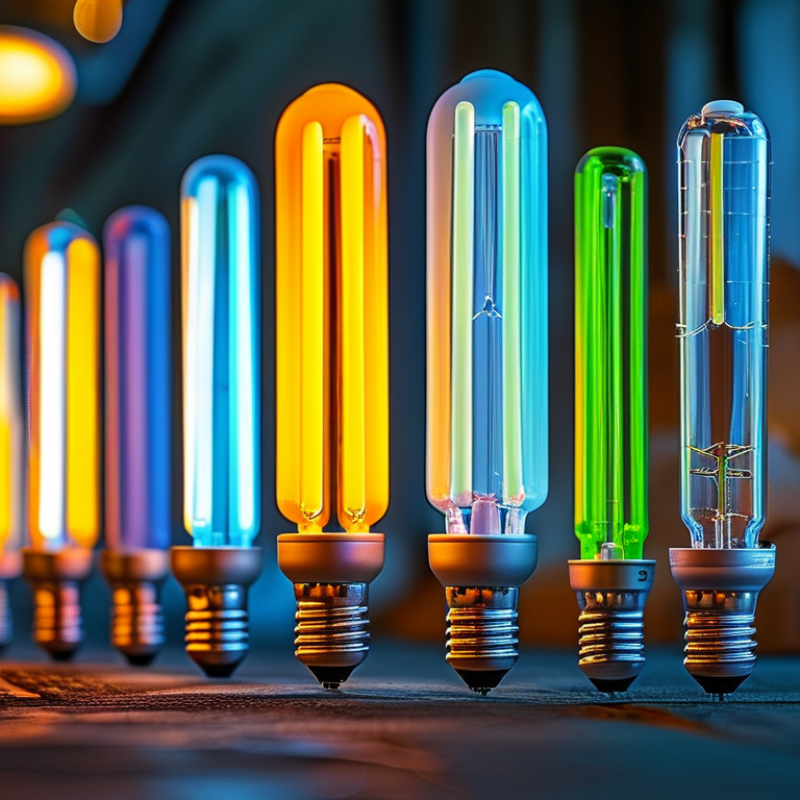
LED lights have gained immense popularity in recent years due to their efficiency. On average, these lights last between 15,000 to 30,000 hours. Some high-quality LEDs can even reach up to 50,000 hours under ideal conditions. According to the U.S. Department of Energy, LEDs consume up to 75% less energy than incandescent bulbs while offering a longer lifespan.
Factors such as heat, humidity, and usage patterns can affect the longevity of LED lights. Proper installation and usage are vital for maximizing their lifespan. If an LED light is frequently turned on and off, this can accelerate wear, reducing its lifespan. Reports suggest that in real-world scenarios, many LEDs may only last around 10,000 to 25,000 hours due to improper conditions. It’s important to consider the environment in which the light is used.
While LED lights are generally more durable, they are not immune to degradation over time. The brightness may decrease as they age, a phenomenon known as lumen depreciation. This can occur even if the light continues to function. It’s essential to periodically assess the performance of LED lights to ensure optimal functionality. Making informed choices about lighting can lead to both environmental benefits and long-term cost savings.
LED lights are renowned for their impressive longevity. However, several factors can influence how long they last. One significant factor is the quality of the materials used. High-quality LEDs often have better components, which results in a longer lifespan. Conversely, cheaper options may burn out quicker due to subpar construction.
Another crucial element that affects LED longevity is heat management. LEDs generate heat during operation, and excessive temperatures can shorten their lifespan. Proper ventilation and heatsinks can help mitigate this issue. In areas with higher ambient temperatures, LED lights may not last as long as expected.
Additionally, the power supply plays a role in LED performance. Fluctuations in voltage can impact the stability of LED lights. A consistent power supply can enhance their operational lifespan. However, inconsistent electricity can lead to premature failure. Regular maintenance and monitoring can help users identify potential issues, allowing for timely interventions.
LED lights are known for their impressive lifespan, often lasting 15,000 to 50,000 hours. This longevity is significantly higher than many other lighting options. For example, incandescent bulbs usually last about 1,000 hours. Compact fluorescent lamps (CFLs) can extend to around 10,000 hours. The difference is remarkable.
When comparing LED lights to traditional options, the benefits are clear. LEDs use less energy and produce less heat. This not only saves money on electricity bills but also reduces cooling costs in warmer climates. However, not all LED lights are created equal. Some may fade in brightness faster than others, depending on quality and usage.
Despite their advantages, there are downsides to consider. The initial cost of LED lights can be higher than incandescent or CFLs. People may hesitate to invest in them. Additionally, not every fixture is compatible with LED technology. It’s essential to check compatibility. Poor-quality options can lead to shorter lifespans and flickering. This can frustrate users seeking reliable illumination. Overall, while LEDs have longevity on their side, consumers should research and reflect on their choices carefully.
When it comes to LED lights, their lifespan can be impressive. However, maximizing that longevity requires intentional care. Start by ensuring proper installation. If the lights are in areas with poor ventilation, they can overheat and fail sooner. Pay attention to the ambient temperature where these lights operate. Extreme heat or cold can shorten their life.
Regular maintenance is crucial. Clean the fixtures and bulbs to prevent dust buildup. Even a thin layer of grime can trap heat, affecting performance. If possible, choose dimmers. Lowering brightness can lead to less strain on the LED, enhancing its lifespan.
Consider the use of quality drivers. A good driver regulates the voltage and current flowing to the LED. An inadequate driver may lead to flickering or burn-out. Lastly, monitor how frequently the lights are switched on and off. Frequent cycling can wear them out faster. Reflect on these tips to ensure your LED lights shine longer.
| Type of LED Light | Average Lifespan (Hours) | Common Usage | Maximizing Tips |
|---|---|---|---|
| Standard LED Bulbs | 15,000 - 25,000 | Home lighting | Use in recommended fixtures |
| Flood Lights | 25,000 - 50,000 | Outdoor security and landscape | Keep clean and free from debris |
| LED T8 Tubes | 30,000 - 50,000 | Commercial and industrial | Use compatible ballasts |
| Decorative LED Lights | 15,000 - 30,000 | Holiday and ambient lighting | Store properly after use |
| LED Strip Lights | 20,000 - 50,000 | Accent and mood lighting | Ensure good thermal management |
When discussing LED light durability, myths often overshadow facts. Many believe LEDs last forever, but this is misleading. The average lifespan of LED bulbs is around 15,000 to 50,000 hours. Environmental factors play a large role in this variability. High heat can significantly shorten their lifespan. Regularly exceeding the rated temperature may lead to earlier failures.
Another common myth is that LED lights dim without warning. In reality, they typically show gradual performance degradation. A report by the Department of Energy found that around 70% of an LED's initial brightness is retained even after 25,000 hours of use. This gradual decrease is often mistaken for sudden failure.
Consumers frequently overestimate the durability of LEDs. While they offer longevity, improper usage can shorten this lifespan. For example, using them in unventilated fixtures can lead to overheating. This is a critical area where user knowledge needs improvement. Understanding the specifications can help avoid disappointing outcomes.
This chart illustrates the average lifespan of various types of light bulbs: incandescent bulbs, CFLs, LEDs, and halogen bulbs. As shown, LEDs have the longest lifespan at about 20 years, which dispels some common myths about their durability.
: Several factors influence LED longevity, including the quality of materials, heat management, and power supply stability.
High-quality components lead to longer-lasting LEDs. Cheaper options may have subpar construction, resulting in quicker burnout.
LEDs produce heat during use. Excessive heat can shorten their lifespan. Good ventilation helps maintain optimal temperatures.
A consistent power supply enhances LED lifespan. Fluctuations in voltage can cause premature failure and reduce performance.
No, this is a myth. They typically last between 15,000 and 50,000 hours, depending on various environmental factors.
No, they generally show gradual performance degradation. Users may mistake this gradual dimming for sudden failure.
Yes, using LEDs in unventilated spaces can cause overheating and shorten their lifespan, highlighting a need for user education.
High temperatures can significantly reduce their operational lifespan, making heat management crucial for longevity.
Regular maintenance and monitoring can identify potential issues early, helping users avoid premature failure of their LEDs.
LED lights are known for their impressive longevity, with an average lifespan that can range from 15,000 to 50,000 hours, depending on various factors. Factors affecting LED light longevity include quality of materials, operating temperature, and usage patterns. When compared to traditional lighting options like incandescent or fluorescent bulbs, LED lights significantly outlast them, making them a more cost-effective choice in the long run.
To maximize LED light lifespan, users should ensure proper installation, avoid extreme temperatures, and minimize frequent switching on and off. Additionally, there are several common myths about LED durability that need to be dispelled, such as the belief that they are not as robust as other lighting types. In conclusion, if you're wondering, "How long do LED lights normally last?", the answer is that they generally provide a long-lasting, energy-efficient solution for various lighting needs.
Guangyao Lighting